Drug Toxicity: What It Is, How It Happens, and How to Stay Safe
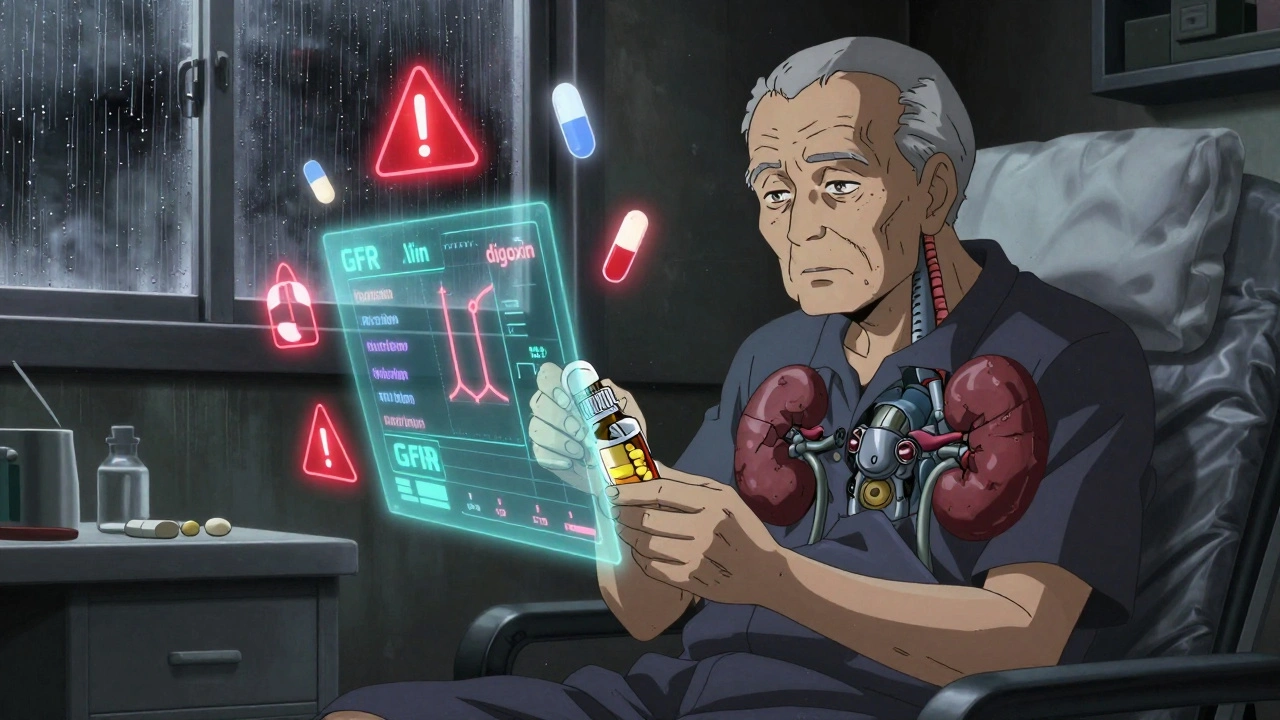
When your body can’t handle a medicine the way it’s supposed to, that’s drug toxicity, the harmful effect caused when a medication builds up to dangerous levels or reacts badly with other substances in your system. Also known as medication overdose or adverse drug reaction, it’s not always about taking too much—it’s often about how your body processes what you take. This isn’t rare. Thousands of people end up in emergency rooms every year because their meds turned against them, not because they were careless, but because they didn’t know how their body, other drugs, or even food could change the game.
Drug toxicity doesn’t just come from pills you buy at the pharmacy. It can happen with generic drugs, medications that are chemically identical to brand-name versions but cost far less—especially if you’re mixing them with supplements like yohimbe or taking them with other heart or blood pressure meds. It can also show up when your liver or kidneys can’t clear the drug fast enough, which is common in older adults or people with chronic conditions. Even something as simple as grapefruit juice can block how your body breaks down a drug, letting it pile up until it becomes toxic. And if you’re on multiple prescriptions, the risk grows fast. One drug might slow down how another is metabolized, turning a safe dose into a dangerous one. That’s called a pharmacokinetic interaction, when one drug changes how another is absorbed, broken down, or removed from your body. Or it could be a pharmacodynamic interaction, when two drugs hit the same target in your body and amplify each other’s effects—like two blood thinners making you bleed too much.
It’s not just about the drug itself. Manufacturing issues like contamination in generic drug production can introduce harmful impurities. Poor labeling or confusion between similar-looking pills can lead to accidental double-dosing. And if you have low vision or hearing loss, missing a warning or misreading a label increases your risk dramatically. Even your age, diet, or other health conditions can turn a routine medication into a threat. That’s why tracking what you take—and knowing how it interacts—isn’t optional. It’s survival.
Below, you’ll find real stories and science-backed guides on exactly how drug toxicity happens, who’s most at risk, and what you can do right now to protect yourself. From how the FDA tracks side effects through MedWatch, to why some people react badly to generics, to how to spot the early signs of trouble before it turns into an emergency—you’ll find clear, no-fluff advice that actually helps.