Lot Number Recall Checker
Check Your Recall Status
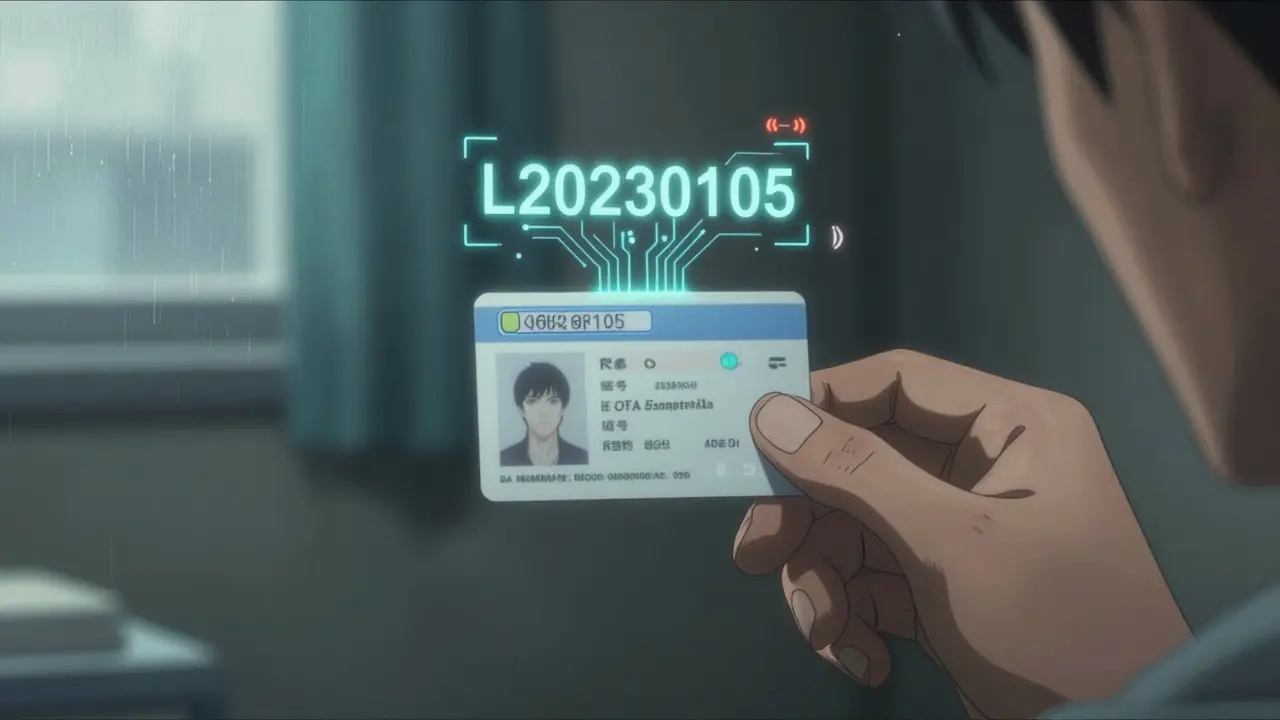
Enter your medical device or medication lot number to see if it's part of an active recall. Lot numbers typically look like L20230105 or 20230105.
Enter your lot number to check for recalls.
When you get a medical implant, vaccine, or prescription drug, you’re given a lot number - but most people don’t know what it means or why it matters. That’s a problem. In 2023, over 6,700 medical devices were recalled in the U.S. alone, and lot number tracking is the only way to know if your specific device is affected. If you don’t know where to find this number or what to do when a recall happens, you could be at risk without even realizing it.
What Is a Lot Number and Why Does It Matter?
A lot number is a unique code printed on your medical device, medication bottle, or implant card. It doesn’t just identify the product - it identifies the exact batch it came from. For example, a lot number like L20230105 tells you the product was made on January 5, 2023. That’s critical because recalls aren’t about entire product lines. They’re about specific batches that had a manufacturing error, contamination, or design flaw.
Imagine a batch of insulin pens that overheated during shipping. Only 300 of them were affected. Without lot numbers, doctors would have to warn every patient using that insulin brand - even though 99% of them are fine. But with lot tracking, only the people with those specific 300 pens get notified. That’s precision. And it saves lives.
Which Devices and Drugs Need Lot Tracking?
Not everything is tracked the same way. The U.S. Food and Drug Administration (FDA) requires lot tracking for high-risk items:
- Class II and Class III medical devices (like pacemakers, artificial joints, heart valves)
- Implants meant to last more than a year
- Life-supporting devices used at home
- Prescription drugs covered under the Drug Supply Chain Security Act (DSCSA)
For example, if you have a Sapien 3 Ultra heart valve or a Zimmer Biomet hip implant, your lot number is stored in the hospital’s records - but only if you or your provider recorded it. In 2021, Edwards Lifesciences recalled specific lots of heart valves. Thanks to lot tracking, they reached 2,807 patients directly. Without it, they’d have had to warn hundreds of thousands.
How to Find Your Lot Number
You won’t always find it on your body - but you can find it in your paperwork. Here’s where to look:
- Implant identification card: Given to you after surgery. It has the device name, model, serial number, and lot number.
- Surgical report: Your surgeon’s office keeps this. Ask for a copy - it usually includes the lot number.
- Medication packaging: Look on the box or bottle. It’s often printed near the expiration date.
- Receipt or pharmacy label: Some pharmacies print the lot number on prescription labels.
Don’t rely on memory. A 2022 FDA survey found that 68% of patients with implants couldn’t find their identification cards when asked. If you don’t have the card, call your surgeon’s office. They’re required to keep this information for at least 10 years.

What to Do When a Recall Happens
Recalls are categorized by risk:
- Class I: Highest risk - could cause serious injury or death (about 12% of all recalls in 2023)
- Class II: Temporary or reversible health effects
- Class III: Unlikely to cause harm
If a recall is announced, here’s what to do immediately:
- Check your lot number against the FDA’s recall list at fda.gov/medical-devices. The database is updated daily.
- If your lot matches, contact your doctor or the manufacturer. Don’t wait for them to call you.
- Register your device with the manufacturer. Many offer free registration via their website.
- Sign up for FDA email alerts at fda.gov/medwatch. Registered users get notifications 14 days faster on average.
Pro tip: Set a calendar reminder to check the FDA site every three months. Recalls happen year-round.
How Patients Are Getting Left Behind
Even with all the systems in place, patients are still falling through the cracks. In 2023, 57% of negative reviews about recalls mentioned manufacturers couldn’t reach patients. Why? Outdated phone numbers, unregistered devices, or patients who never got their implant cards.
One Reddit user, OrthoPatient87, shared how it took them three weeks just to confirm their hip implant was recalled. They didn’t know where to start. Meanwhile, a 2023 ASHP case study showed a patient was notified within 24 hours - because their clinic scanned the lot number into the electronic record at the time of surgery.
The difference? Documentation. Patients who kept their records received notifications 72 hours faster on average. That’s three full days of protection.
What’s Changing - and What’s Coming
The system is getting smarter. In January 2024, the FDA launched a pilot where you can text your lot number to 311-FDA and get an instant recall status reply. By 2026, AI systems will automatically cross-check your electronic health record with recall databases - and flag you if you’re at risk.
Electronic health record systems like Epic and Cerner now include lot numbers in patient portals. If you use one, log in and check your device history. As of March 2024, 87% of major systems have this feature.
Some companies are testing blockchain tracking. Imagine a mobile app that shows you real-time updates on your implant’s safety status - no phone calls needed. It’s not everywhere yet, but it’s coming.
Your Action Plan: 5 Simple Steps
You don’t need to be an expert. Just follow this:
- Find your lot number - Check your implant card, surgical report, or medicine packaging.
- Take a photo - Save it in your phone’s notes or a cloud folder labeled “Medical Records.”
- Register your device - Go to the manufacturer’s website. It’s free and takes 2 minutes.
- Sign up for FDA alerts - Visit fda.gov/medwatch and subscribe.
- Check quarterly - Every three months, visit the FDA recall database. Make it as routine as checking your email.
This takes less than 20 minutes to set up. But if a recall happens, it could save your life.
What If You Can’t Find Your Lot Number?
You’re not alone. About 43% of people can’t recognize a valid lot number when they see one. If you’re stuck:
- Call your surgeon’s office or hospital’s records department.
- Ask for your surgical report - it should include the device and lot number.
- If you got a vaccine or medication, call the pharmacy where you picked it up.
- Don’t assume it’s “not your problem.” If your device is high-risk, you need to know.
Some patients refuse to share personal info for tracking. That’s their right - but it also means they won’t get notified. If you’re worried about privacy, ask your provider about anonymized tracking options. Some systems use coded identifiers instead of names.
Final Thought: This Isn’t Just About Paperwork
Lot number tracking isn’t bureaucracy. It’s a safety net. Every time a recall happens, thousands of people are affected - but only a few are truly at risk. The system works when patients do their part. You didn’t ask for this responsibility. But if you have an implant, a life-supporting device, or a chronic condition requiring regular medication - this is your job now.
Don’t wait for a crisis. Start today. Take five minutes. Find your number. Take a photo. Register. Sign up. Check every three months. That’s all it takes to make sure you’re not the next patient who finds out too late.
What if I lost my implant card?
Call the hospital or surgeon’s office where you had the procedure. They’re required to keep your surgical report for at least 10 years, and it includes the lot number. You can also request a copy of your medical records under HIPAA - they must provide it within 30 days.
Do I need to register every device I get?
Yes - especially for implants like pacemakers, joint replacements, or heart valves. Registration ensures the manufacturer can contact you directly during a recall. It’s free, secure, and often takes less than 5 minutes. Some manufacturers even send you reminders about maintenance or follow-up checks.
Can I trust the FDA’s recall database?
Yes. The FDA’s Medical Device Recalls database is updated daily and includes every Class I, II, and III recall issued since 1990. It lists the device name, lot number, reason for recall, manufacturer, and affected quantity. It’s the most reliable public source for recall information.
What if my doctor says there’s no recall - but I’m worried?
Check the FDA website yourself. Sometimes doctors aren’t notified immediately, or the recall hasn’t reached their office yet. If you find your lot number on the FDA list, call the manufacturer directly. You have the right to know. Don’t rely on secondhand information.
Are there apps or tools to help track lot numbers?
Yes. The FDA’s pilot texting service (311-FDA) lets you send your lot number for instant status. Some hospitals offer patient portals with device tracking built in. Companies like Medtronic and Johnson & Johnson have apps that let you register devices and get recall alerts. Look for these in your device’s official app store page.
Jimmy V
March 14, 2026 AT 23:52Found it buried in a folder after my surgeon's office called me out of the blue.
Why isn't this on the discharge checklist?
Adam M
March 16, 2026 AT 04:16Noluthando Devour Mamabolo
March 17, 2026 AT 05:14Without UDI-compliant lot tracking, we're operating in a post-hoc risk matrix.
Pro tip: cross-reference with GS1 standards for global interoperability.
Also, blockchain-backed registries are the future - think immutable ledgers for implant provenance. 🚀
Leah Dobbin
March 17, 2026 AT 05:32You don't just 'forget' your implant's lot number.
You're essentially signing a waiver for your own safety.
And then you wonder why the system feels broken.
Ali Hughey
March 17, 2026 AT 11:42Why do they only recall 'specific batches'?
That's not safety - that's damage control.
They KNOW the whole line is flawed.
And they only act when someone dies - then they blame YOU for not checking.
They're hiding the real pattern.
And the FDA?
They're in bed with Big Med.
They don't want you to know.
They want you to trust.
Trust = control.
Check your lot number?
YES.
But also - scream into the void.
They're watching. 🕵️♂️💣
Alex MC
March 18, 2026 AT 04:08Registered.
Got the email alerts.
Checked quarterly.
It's not a chore - it's peace of mind.
And honestly?
It's one of the few things in healthcare that actually works if you do your part.
👍
Dylan Patrick
March 19, 2026 AT 12:20stop reading.
Go do it.
Now.
Take a photo.
Save it.
Register.
Do it.
It's not hard.
It's not scary.
It's just your life.
Do it.
Kathy Leslie
March 19, 2026 AT 17:28Never even knew it was there.
Took me 20 minutes to call my surgeon.
They were super nice.
Just... check your stuff.
It's not that hard.
Amisha Patel
March 19, 2026 AT 21:20Do I need to check every three months?
What if I move?
Do hospitals share records?
Elsa Rodriguez
March 21, 2026 AT 08:35I didn't even know I had a lot number.
My doctor didn't tell me.
It took me three weeks to get a call back.
And now?
I'm terrified every time I fill a prescription.
Why does this feel like a game of Russian roulette?
Why do I have to be the one to fight for my safety?
It's not fair.
Serena Petrie
March 21, 2026 AT 16:09