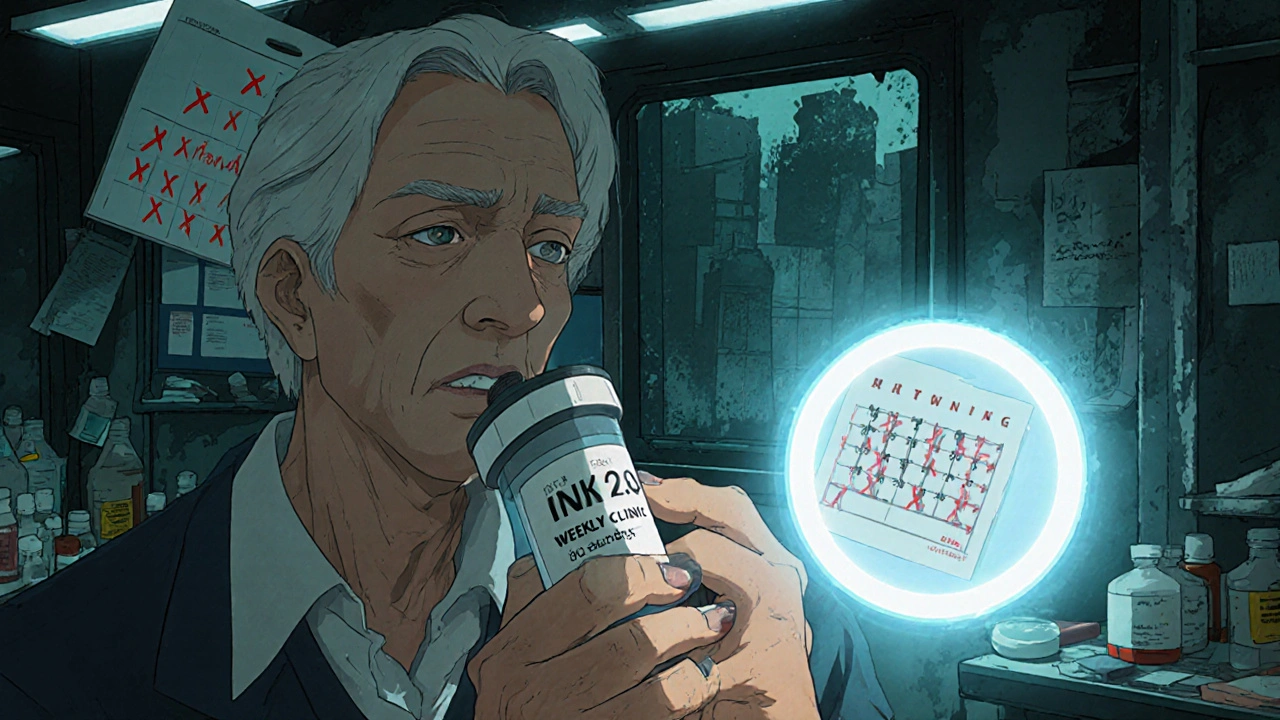
Warfarin Safety: What You Need to Know About Dosage, Diet, and Side Effects
When you're on warfarin, a blood thinner used to prevent dangerous clots in people with atrial fibrillation, artificial heart valves, or a history of deep vein thrombosis. Also known as Coumadin, it saves lives—but only if used carefully. This isn’t a medication you can take and forget. One missed dose, one extra serving of spinach, or one new over-the-counter painkiller can throw your blood off balance—and that’s when things get dangerous.
Warfarin safety depends on three things: your INR level, a blood test that measures how long it takes your blood to clot, your vitamin K intake, a nutrient in leafy greens that directly opposes warfarin’s effect, and what else you’re taking. If your INR is too low, you’re at risk for a stroke or clot. Too high, and you could bleed internally without warning. That’s why consistency is everything. You don’t need to avoid vitamin K entirely—just eat about the same amount every day. A salad one day and a steak the next? That’s a recipe for unstable INR. And don’t forget: antibiotics, herbal supplements like ginkgo or garlic, and even some cold medicines can interfere with how warfarin works. Your pharmacist should know every pill you take—not just your prescriptions.
People on warfarin often worry about bruising, nosebleeds, or dark stools. Those aren’t normal side effects—they’re warning signs. If you notice any of them, call your doctor. Most warfarin-related emergencies happen because someone didn’t connect the dots between their symptoms and their medication. The good news? With regular blood tests, clear diet habits, and open communication with your care team, warfarin can be one of the safest tools you have. You’re not just taking a pill—you’re managing a system. And the posts below show exactly how to do it right: from tracking vitamin K foods to spotting hidden drug interactions, understanding what to do when you miss a dose, and learning how to talk to your pharmacist about risks you didn’t even know existed.