Naloxone Use: How It Saves Lives and Who Needs It
When someone overdoses on opioids, every second counts. naloxone, a life-saving medication that blocks opioid effects in the brain. Also known as an opioid antagonist, it can bring someone back from the edge of death in under five minutes. Naloxone doesn’t work on alcohol, benzodiazepines, or stimulants—it only reverses opioids like heroin, fentanyl, oxycodone, and morphine. That’s why it’s not a cure-all, but it’s the most reliable tool we have to stop an opioid overdose before it’s too late.
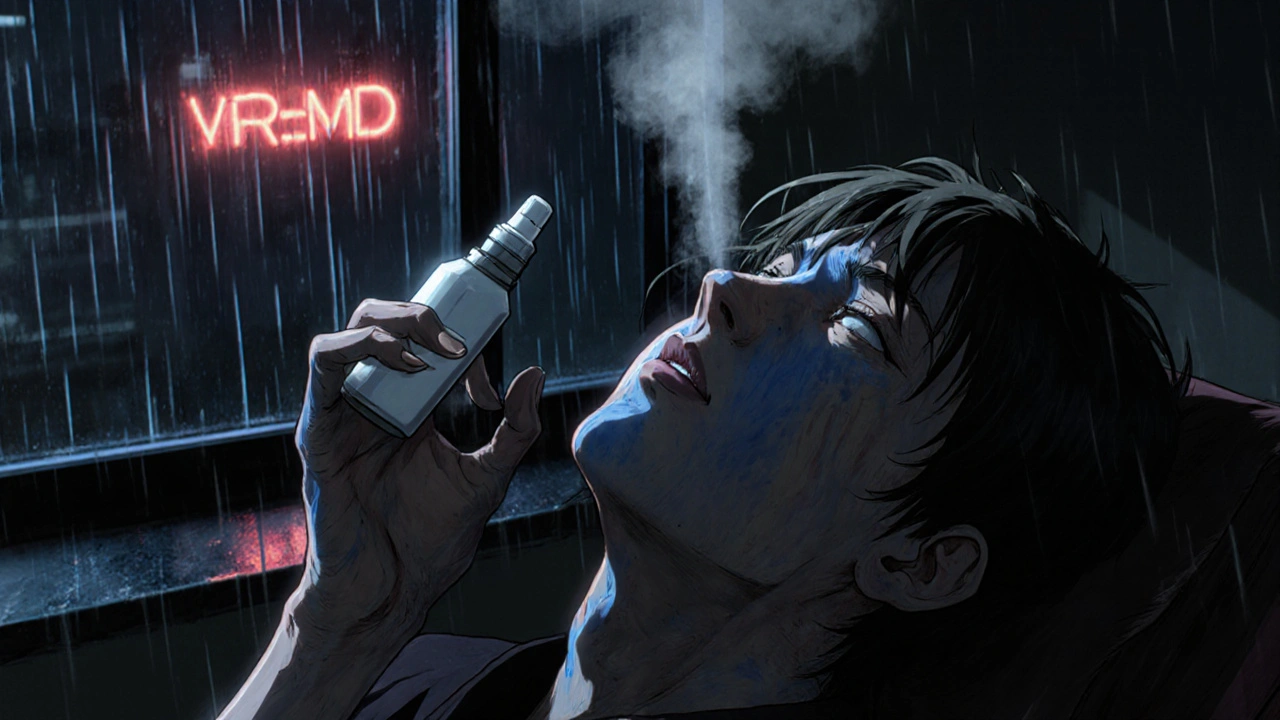
Most people who need naloxone aren’t strangers—they’re your neighbor, your sibling, your coworker. Overdose doesn’t always look like a dramatic scene from a TV show. Sometimes it’s just someone who doesn’t wake up after taking a pill they thought was safe. Naloxone use is simple: spray it in the nose or inject it into the muscle. No medical training required. Many states now let pharmacies hand it out without a prescription. First responders carry it. Schools and community centers keep it on hand. Even families with a loved one on long-term pain meds are keeping it nearby, just like an EpiPen.
It’s not just about reversing the overdose. Naloxone use also helps break the cycle of fear. When people know they can get help fast, they’re more likely to call 911 instead of running away. That’s huge—because naloxone only lasts 30 to 90 minutes, and many opioids stick around longer. Someone revived with naloxone can slip back into overdose if they don’t get medical care. That’s why every time naloxone is used, emergency services should be called. It’s not optional. It’s part of the process.
There’s a myth that giving naloxone enables drug use. But the data doesn’t back that up. Studies show people who receive naloxone are more likely to enter treatment afterward—not less. It doesn’t reward bad behavior. It gives someone a second chance. And that second chance? It’s often the only one they get.
Who should have naloxone on hand? Anyone who takes opioids regularly—even if it’s a prescription. Anyone who lives with or cares for someone who does. People who use drugs alone. Friends of people with addiction. Teachers, coaches, librarians, baristas—you name it. The more places naloxone is available, the more lives are saved. And it’s not expensive. Many programs give it away for free.
There’s no magic trick to preventing overdose. But naloxone use is the closest thing we have to a safety net. It’s not glamorous. It doesn’t make headlines. But every time it’s used successfully, someone goes home. Someone’s child gets another birthday. Someone’s parent wakes up. That’s the real impact.
Below, you’ll find real stories, practical guides, and clear facts about how naloxone works, who it helps, and how to get it when you need it most. No fluff. Just what you need to know to act fast when it matters.