
FDA Keyword Checker
Check Your FDA Alert Keywords
Enter keywords you're considering for FDA safety alerts. We'll check if they're effective based on FDA guidelines.
Keyword Analysis
Best Practices
Use specific keywords:
Instead of 'medical device,' try 'Medtronic MiniMed 780G' or 'ResMed AirSense 10'
Use generic drug names:
Instead of 'medication,' try 'metformin' or 'warfarin'
Include allergens:
Type 'peanut,' 'shellfish,' or 'milk' for food alerts
For caregivers:
Try 'children's medication' or 'elderly care device'
Every year, the FDA issues hundreds of safety alerts about medicines, medical devices, food, and other regulated products. Some of these alerts warn about deadly side effects. Others reveal faulty devices that could fail during surgery. A single missed alert could mean the difference between staying safe and ending up in the hospital. The good news? You can get these alerts delivered straight to your inbox-no searching, no guessing, no delays.
What Are FDA Safety Communications?
FDA Safety Communications are official notices issued by the U.S. Food and Drug Administration when they uncover a serious risk tied to a product they regulate. These aren’t routine updates or marketing blurbs. They’re urgent warnings about real dangers: a heart monitor that can shut down unexpectedly, a batch of insulin with incorrect dosing, a children’s toy with a choking hazard that slipped through testing. These alerts come in several forms. Medical Device Safety Communications warn about faulty pacemakers, ventilators, or surgical tools. Drug Safety Communications alert patients and doctors to dangerous side effects from medications. Enforcement Reports cover recalls of everything from contaminated baby formula to defective glucose meters. And since September 29, 2025, the FDA now sends out Early Alert Communications-notices about high-risk device problems even before they’re officially recalled. This means you’re getting warnings faster than ever before.Why You Can’t Afford to Skip This
Think you don’t need these alerts? Consider this: in 2022 alone, the FDA’s Center for Devices and Radiological Health issued 45 safety communications just for medical devices. That’s 45 chances for someone to miss a life-saving warning. A woman in Ohio was using a home dialysis machine when she got a recall notice. The device had a flaw that could cause air bubbles to enter her bloodstream. Because she was subscribed, she stopped using it immediately. She called her doctor, switched to a safer model, and avoided a potentially fatal complication. Or take the case of a diabetic patient who subscribed to alerts for “insulin.” When the FDA issued a warning about a specific batch of insulin pens with faulty dosage mechanisms, she checked her supply and found she had the affected batch. She returned it, got a replacement, and kept her blood sugar stable. These aren’t rare stories. They happen every week. And if you’re not subscribed, you’re relying on word-of-mouth, news headlines, or your doctor’s memory-all of which are unreliable.How the Subscription System Works
Signing up takes less than five minutes. Go to the FDA’s official website and find the Enforcement Report Subscription Service. You’ll be asked to enter your email and choose up to five keywords. Here’s how to pick them wisely:- If you use a specific medical device-like a CPAP machine or an insulin pump-use the exact brand name or model number.
- If you have a food allergy, type in the allergen: “peanut,” “shellfish,” “milk.”
- If you take a medication regularly, use the generic name: “metformin,” “warfarin,” “lisinopril.”
- For caregivers, consider keywords like “children’s medication” or “elderly care device.”
Early Alerts: The Game-Changer
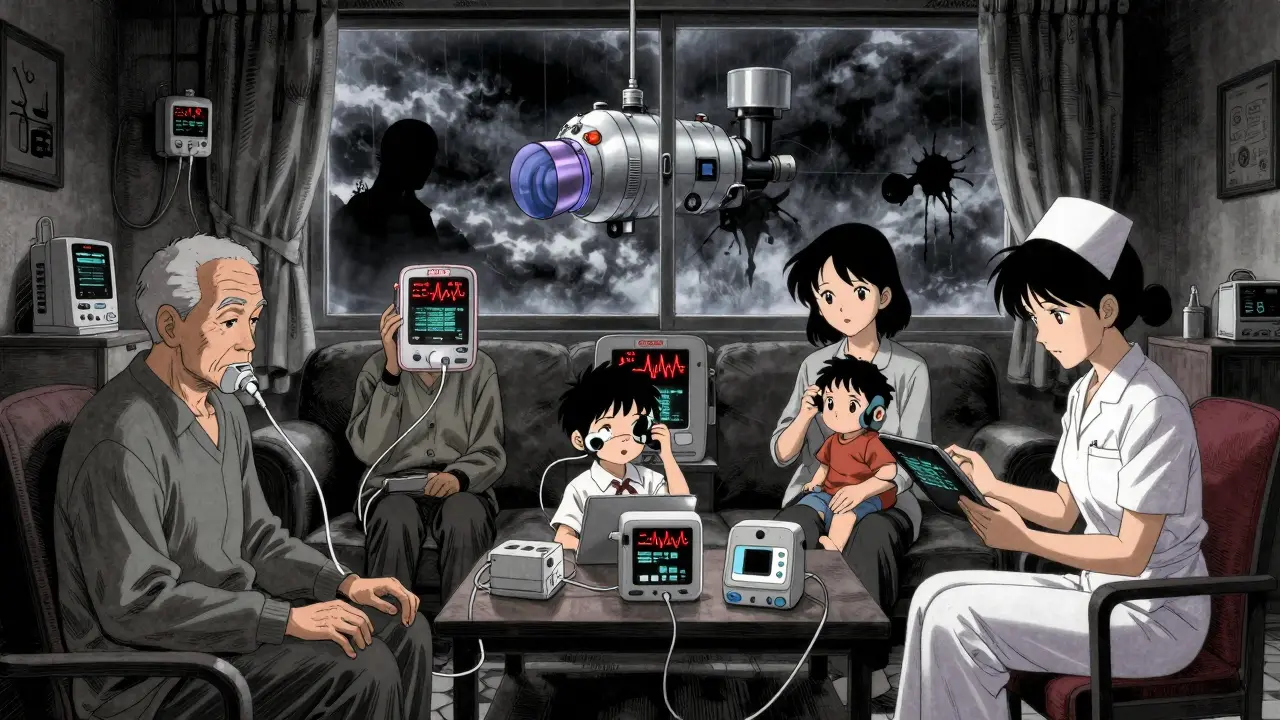
Before September 2025, the FDA only sent Early Alerts for a limited group of medical devices: heart, kidney, and reproductive system devices. Now, every medical device is covered. Early Alerts are different from recalls. They’re issued when the FDA has reason to believe a device could be dangerous-even if the manufacturer hasn’t yet agreed to a formal recall. This is huge. It means you’re not waiting for paperwork to move through bureaucracy. You’re getting the warning as soon as the FDA sees a pattern of harm. These alerts include:- Which products are affected
- Why the FDA is concerned
- What you should do right now (e.g., “stop using,” “contact your doctor,” “check serial number”)
- Any reported injuries or deaths linked to the issue
Who Should Subscribe?
This isn’t just for patients. Here’s who benefits:- Patients: If you use any medical device or take prescription meds, you’re at risk if you’re not subscribed.
- Family caregivers: You’re responsible for someone else’s safety. Don’t rely on memory or guesswork.
- Healthcare providers: Doctors, nurses, and pharmacists use these alerts to make safer prescribing and treatment decisions.
- Medical device manufacturers: FDA communications are a regulatory requirement. Ignoring them can lead to lawsuits, fines, or product bans.
- Seniors and their families: Older adults often use multiple devices and medications. One missed alert could be deadly.
What You Won’t Get
It’s important to know what these alerts don’t do:- They don’t replace your doctor’s advice. Always consult a professional if you’re unsure.
- They don’t cover every minor issue. Only serious, verified risks make the cut.
- They don’t send spam. You only get emails when there’s a real safety concern tied to your keywords.
What Happens After You Subscribe?
Once you sign up, you’ll start receiving emails within days. Frequency depends on your keywords and what’s happening in the field. Some people get one alert a year. Others get three or four. Each email includes:- A clear subject line with “Safety Alert” or “Recall”
- A link to the full FDA notice
- Steps you should take immediately
- Contact info for the FDA if you need help

Common Mistakes to Avoid
People often sign up but miss the point. Here’s how to avoid those traps:- Using vague keywords: “Medicine” or “device” won’t work. Be specific: “Ozempic,” “JuggerKnot 5000,” “hearing aid battery.”
- Not checking your spam folder: Some email providers flag FDA alerts. Add fda.gov to your safe sender list.
- Assuming your doctor will tell you: Doctors see hundreds of patients. They can’t remember every recall. You’re your own best advocate.
- Only signing up for drugs: Medical devices cause more recalls than you think. Check both categories.
What’s Next for FDA Alerts?
The FDA is working on upgrades. They’re testing natural language processing to make keyword searches smarter. They’re also exploring deeper links with the Sentinel System-a database that tracks medication use across 300 million people. That means future alerts could be even more targeted, based on real-world patient data. The goal? To make safety alerts faster, smarter, and more personal. You’re not just a number in a system. You’re someone who deserves to know when something could hurt you-or someone you love.How to Get Started Today
Go to FDA.gov/EnforcementReport and sign up. Pick your five keywords. Confirm your email. That’s it. If you’re unsure what to search for, start with:- The brand name of any device you use
- The generic name of any medication you take
- Any allergen you or a family member reacts to
- “Medical device” if you’re not sure what else to pick
Are FDA safety alerts free?
Yes. Subscribing to FDA Safety Communications is completely free. There are no fees, no premium tiers, and no hidden costs. You only need an email address.
How often will I get emails?
It depends on your keywords and what’s happening in the field. Some subscribers get one email a year. Others get three or four. If you choose broad keywords like “medical device,” you might get more. If you pick very specific ones, like “Medtronic MiniMed 780G,” you’ll get fewer-but they’ll be more relevant.
Can I unsubscribe later?
Yes. Every email includes a one-click unsubscribe link at the bottom. You can also manage your subscriptions directly on the FDA website.
Do these alerts cover food and cosmetics too?
Yes. The Enforcement Report Subscription Service covers all FDA-regulated products: drugs, medical devices, food, cosmetics, tobacco, and veterinary products. Just include keywords like “peanut butter,” “lipstick,” or “dog food” to get alerts about those categories.
What if I don’t know the exact name of my device or medication?
Look on the packaging, the box, or the instruction manual. If you’re still unsure, check your pharmacy receipt or contact the manufacturer. You can also search the FDA’s product database at fda.gov/search. Once you know the name, use it as your keyword.
Can I subscribe on behalf of someone else?
Absolutely. Many family members, caregivers, or home health aides subscribe using their own email to protect someone else. You can even use a shared family email address if that works better.
What if I miss an alert because I didn’t check my email?
The FDA keeps all past alerts archived on their website. You can search them anytime at fda.gov/safety. But don’t rely on this. Alerts are time-sensitive. The sooner you act, the safer you are.
Danielle Stewart
December 18, 2025 AT 22:02I signed up for this last year after my mom had a bad reaction to a recalled blood pressure med. Honestly? It’s the most low-effort, high-reward thing I’ve ever done. I get maybe two emails a year, but one of them saved her life when her insulin pump model got flagged. No drama. No app. Just an email that says ‘stop using this.’ I wish everyone did it.
Ryan van Leent
December 20, 2025 AT 01:45lol why are we trusting the fda again? they approved opioids and then acted shocked people were dying. now they want us to trust them with more emails? i dont even trust my own doctor. this is just surveillance with a smiley face
Adrienne Dagg
December 21, 2025 AT 13:18OMG YES 🙌 I subscribed for my kid’s hearing aids and my husband’s CPAP and I swear I cried when I got the alert about the faulty battery recall last month. Like… I literally had one in the drawer. We tossed it and got a replacement before it could fail at night. This isn’t paranoia-it’s parenting. 🤍
Kinnaird Lynsey
December 23, 2025 AT 09:13Interesting that the FDA now pushes Early Alerts for all devices. I wonder how many of these are triggered by real-world data vs. anecdotal reports. The system seems well-designed, but I’ve seen FDA recalls reversed months later after manufacturer pushback. Still… better safe than sorry. I’ve got my keywords set. Just hope my spam filter doesn’t bury them.
shivam seo
December 24, 2025 AT 04:16USA again with their overregulated nonsense. In Australia we just use common sense. If your device breaks, you throw it out. If your medicine makes you sick, you stop taking it. No email alerts needed. This is just bureaucratic theater designed to make people feel like they’re doing something while the real problems go unaddressed. Also, why should I give my email to a government agency? What’s next? Mandatory subscription to FDA newsletters for breathing?
benchidelle rivera
December 24, 2025 AT 19:40This is not optional. If you are responsible for anyone who uses medication, medical devices, or consumes food-especially children, seniors, or immunocompromised individuals-you are morally obligated to subscribe. This is not a suggestion. It is a basic act of care. If you are too lazy to spend five minutes signing up, you are putting lives at risk. Do better. Now.
Andrew Kelly
December 26, 2025 AT 07:31Let me guess-the FDA is now the official guardian of your personal health decisions? Next they’ll be emailing you about your coffee intake and whether your socks match. I’ve read the fine print. These alerts are based on voluntary manufacturer reporting. That means the same companies that cover up side effects are the ones feeding the FDA data. This isn’t safety. It’s PR with a government stamp. And don’t even get me started on the ‘Early Alert’ loophole-sounds like a way to scare people into buying new devices before the old ones are even proven dangerous.
Anna Sedervay
December 28, 2025 AT 03:46While the intention behind this initiative is ostensibly laudable, one must interrogate the epistemological foundations of the FDA’s algorithmic keyword-triggered notification architecture. The semantic ambiguity inherent in user-submitted keywords-e.g., conflating 'metformin' with 'metformin ER' or 'insulin' with 'insulin pen'-creates a non-trivial risk of informational entropy. Furthermore, the absence of standardized nomenclature across international regulatory bodies renders the system fundamentally parochial. One cannot help but observe the irony: a platform ostensibly designed to mitigate risk now introduces cognitive overload through probabilistic false positives. One must also note the glaring omission of multilingual support, which renders the system inaccessible to a significant portion of the U.S. population. A noble endeavor, yes-but implemented with the precision of a typewriter in a quantum computing age.