
When someone with multiple sclerosis experiences a sudden worsening of symptoms-like blurry vision, leg weakness, or numbness-it’s natural to panic. Is this a new attack? Has the disease progressed? The answer isn’t always simple. Two very different things can look almost identical: a real MS relapse and a pseudorelapse. One requires urgent medical treatment. The other doesn’t. And mixing them up can lead to unnecessary, even dangerous, interventions.
What Is a True MS Relapse?
A true MS relapse, also called an exacerbation or flare-up, happens when your immune system attacks the myelin sheath around nerve fibers in your brain or spinal cord. This creates new inflammation and damage. Symptoms aren’t just a temporary spike-they’re the result of fresh injury. To count as a relapse, symptoms must last at least 24 to 48 hours and occur without any clear outside trigger like infection or heat.Think of it like a new fire breaking out in a building that’s already been damaged. The fire isn’t just making old damage worse-it’s creating brand-new harm. That’s why MRI scans during a true relapse often show new lesions or active, enhancing spots. These are physical signs of inflammation that weren’t there before.
Common symptoms include sudden vision loss (optic neuritis), intense muscle weakness, loss of balance, bladder or bowel problems, and severe fatigue. If the relapse affects your ability to walk, use your hands, or control your bladder, treatment is usually recommended. High-dose intravenous methylprednisolone (1 gram per day for 3 to 5 days) is the standard. Studies show this cuts the length of the relapse by about half and improves outcomes in 70-80% of cases. But even with treatment, full recovery happens in less than half of patients. Some nerve damage sticks around.
What Is a Pseudorelapse?
A pseudorelapse-sometimes called a pseudoexacerbation-isn’t a new attack at all. It’s your existing nerve damage acting up because something else is stressing your body. No new inflammation. No new lesions on MRI. Just temporary dysfunction in already weakened nerves.Imagine a frayed electrical wire. It works fine under normal conditions. But when you overload the circuit, it sparks. Once you turn off the overload, it goes back to normal. That’s what happens in a pseudorelapse. The damage is old. The trigger is external.
Here are the most common triggers:
- Heat-Hot showers, summer weather, saunas, or even a fever. About 41% of people with MS report heat as their top trigger. Uhthoff’s phenomenon-a temporary worsening of vision with body temperature rise-happens in 60-80% of those who’ve had optic neuritis.
- Infections-Urinary tract infections (UTIs) are the #1 trigger, causing 67% of pseudorelapses. Upper respiratory infections like colds or flu are next.
- Fever-Even a low-grade fever (over 37.8°C or 100°F) can set off symptoms.
- Stress-Physical or emotional stress spikes cortisol and can make nerves more sensitive.
- Physical overexertion-Too much activity without rest can push your body past its limit.
Pseudorelapses usually last less than 24 hours. Once the trigger is gone-like when the UTI clears or you cool down-the symptoms vanish. No steroids needed. No MRI required. Just rest and remove the stressor.
Why Steroids Don’t Work for Pseudorelapses
Corticosteroids like methylprednisolone are powerful anti-inflammatories. They work by shutting down immune activity in the central nervous system. But if there’s no inflammation-no new immune attack-then steroids have nothing to fight.Using them for a pseudorelapse doesn’t help symptoms. It just adds risk. Studies show 30-40% of pseudorelapses are mistakenly treated with steroids. That’s a problem because steroids cause side effects like:
- High blood sugar (25% of patients)
- Insomnia (40%)
- Mood swings, anxiety, or even psychosis (30%)
- Increased risk of infection
One Reddit user, a nurse with MS, shared: "I’ve seen five patients in a year get IV steroids for UTI-triggered pseudorelapses. One developed steroid-induced psychosis and had to be hospitalized."
That’s not just unnecessary-it’s dangerous. And it’s expensive. The National MS Society estimates misdiagnosed pseudorelapses cost the U.S. healthcare system over $12 million a year in avoidable treatments and complications.
How to Tell the Difference
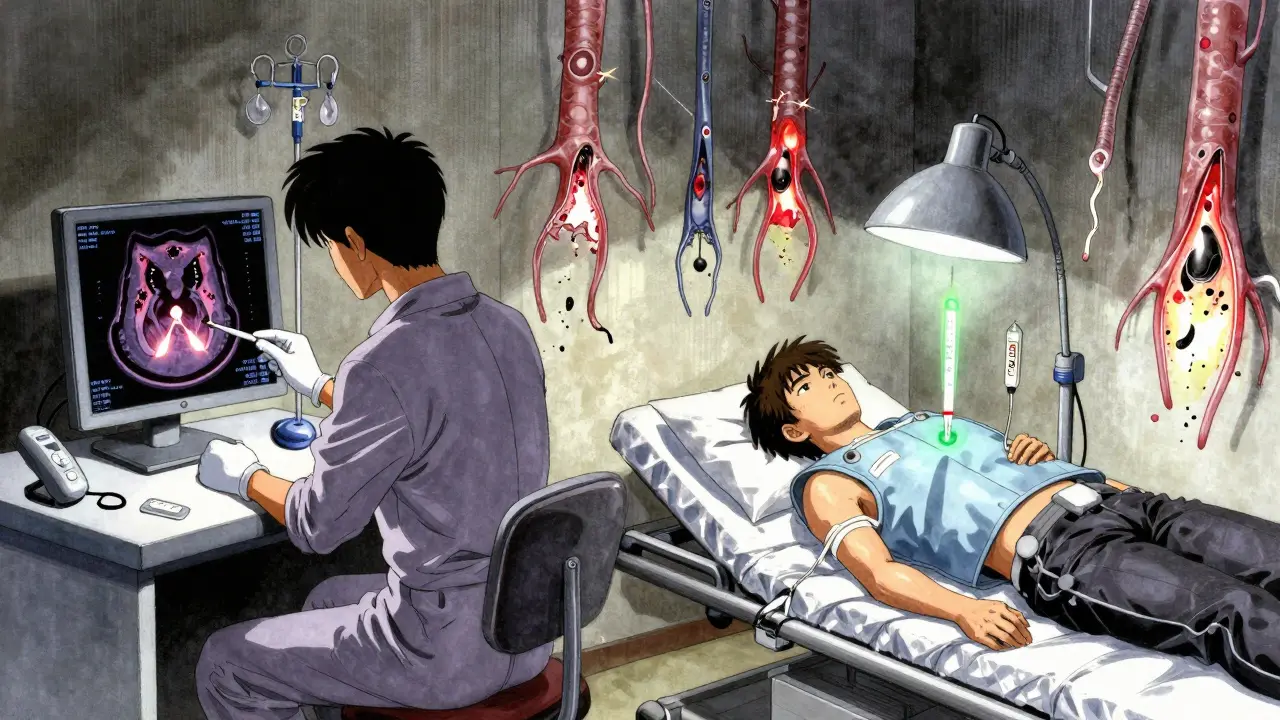
Doctors don’t guess. They follow a clear process:- Check the timeline-Did symptoms last more than 24-48 hours? If not, it’s likely a pseudorelapse.
- Look for triggers-Did you have a fever? A UTI? Did you spend the day in a hot car? Were you exhausted?
- Test for infection-A simple urine test can rule out a UTI. Blood tests can check for metabolic issues like low sodium.
- Consider MRI-If it’s still unclear, an MRI can show if new lesions have formed. No new lesions? Probably a pseudorelapse.
Experts recommend keeping a symptom diary. Note the date, what symptoms appeared, how long they lasted, and what was going on before they started. Did you get sick? Did it get hot? Were you stressed? This helps your neurologist spot patterns.
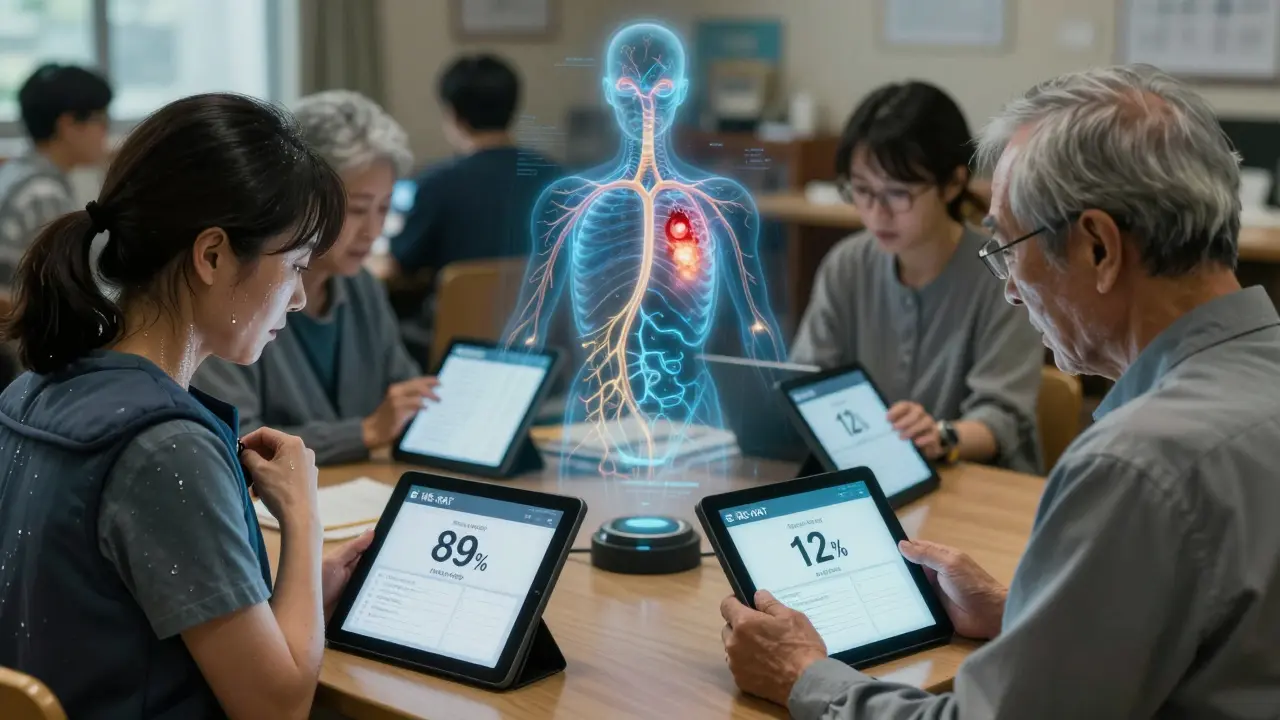
Tools like the MS-Relapse Assessment Tool (MS-RAT), introduced in 2023, now combine symptom duration, temperature data, and functional impact to give a probability score. It’s 92% accurate at distinguishing true relapses from pseudorelapses.
Who’s Most at Risk for Pseudorelapses?
People with longer disease duration are more likely to experience pseudorelapses. Why? Because their nervous systems are more damaged. Nerves that were once able to compensate now can’t handle even small stressors.Older patients-especially those over 55 with existing mobility issues-are more likely to have lingering functional decline after a pseudorelapse. Not because the pseudorelapse caused permanent damage, but because they’re already close to their limit. A 2-hour episode of leg weakness might leave them too tired to walk for days afterward.
Studies show that 15% of patients over 55 don’t fully return to their baseline function after a pseudorelapse. That’s why rest and cooling down aren’t optional-they’re essential.
Real Stories, Real Mistakes
On MyMSTeam, a survey of 1,247 people found that 68% had at least one pseudorelapse in the past year. UTIs triggered half of them. But 37% said their doctors didn’t explain the difference between relapse and pseudorelapse.One user, "MSWarrior2020," said: "When my leg weakness came back during a heatwave, my neurologist knew right away. She told me to use my cooling vest. Symptoms were gone in two hours. No steroids. No panic."
Another user, "NeuroNurse87," described being misdiagnosed: "I had a flare after a cold. My PCP gave me steroids. I couldn’t sleep for a week. My mood crashed. It took three weeks to feel normal again. I wish someone had asked about my fever first."
Delayed diagnosis is common. 42% of patients on MS forums reported waiting weeks before getting the right answer. That’s too long.
What to Do If You Think You’re Having a Relapse
Don’t assume. Don’t self-diagnose. But also don’t rush to the ER for IV steroids unless you’re sure.Here’s what to do:
- Check your temperature. If you have a fever, treat it. Drink fluids. Rest.
- Test for UTI. If you have burning, urgency, or cloudy urine, get a urine test.
- Stay cool. If it’s hot, get indoors, use fans, take a cool shower, wear a cooling vest.
- Wait 24-48 hours. If symptoms improve, it was likely a pseudorelapse.
- If symptoms persist or worsen, call your neurologist. They’ll guide you on whether to get an MRI or start steroids.
Remember: A pseudorelapse isn’t "just in your head." It’s real. But it’s not a new attack. Treating it like one does more harm than good.
What’s Changing in MS Care
Telemedicine tools are helping. Platforms like MS Selfie let patients record symptom changes with their phone camera and share them with neurologists. Early studies show 78% accuracy in distinguishing relapse from pseudorelapse.Researchers are also looking at blood tests. Levels of neurofilament light chain-a protein released when nerves are damaged-might help. High levels suggest new damage (true relapse). Stable levels suggest no new damage (pseudorelapse). These tests aren’t routine yet, but they’re coming.
The message is clear: Accurate diagnosis saves people from unnecessary treatment, side effects, and anxiety. It also prevents healthcare waste. And it gives people back control.
Can a pseudorelapse turn into a real relapse?
No. A pseudorelapse is not a precursor to a true relapse. It’s a separate event caused by external triggers. However, having one pseudorelapse doesn’t mean you’re less likely to have a true relapse later-they’re independent. What matters is identifying the trigger so you can avoid it next time.
Is it safe to take steroids if I’m not sure whether it’s a relapse or pseudorelapse?
No. Steroids carry real risks: high blood sugar, mood swings, insomnia, and increased infection risk. If you’re unsure, get tested first. A simple urine test, temperature check, or blood work can rule out common triggers. If symptoms last more than 48 hours and no trigger is found, then steroids may be appropriate. Don’t guess-get clarity.
Do all MS patients experience pseudorelapses?
No, but most do. About 15-25% of all symptom flares are pseudorelapses, and that number rises to over 40% in people who’ve had MS for more than 10 years. Those with significant disability, especially mobility issues, are more sensitive to heat and infection, making pseudorelapses more common.
Can stress alone cause a pseudorelapse?
Yes. Psychological stress raises cortisol and inflammatory markers in the body, even if you don’t have an infection. Studies show 19% of pseudorelapses are triggered by stress alone. Managing stress through rest, mindfulness, or therapy can reduce the frequency of these episodes.
Should I get an MRI every time I have symptoms?
Not unless your neurologist recommends it. Most pseudorelapses are diagnosed based on symptoms and triggers. MRIs are expensive and not always necessary. If symptoms resolve quickly after removing a trigger (like cooling down or treating a UTI), an MRI isn’t needed. But if symptoms last longer than 48 hours, worsen, or occur without a clear cause, an MRI helps confirm whether new damage has occurred.
Daniel Dover
February 15, 2026 AT 03:59Kaye Alcaraz
February 16, 2026 AT 14:19Mandeep Singh
February 17, 2026 AT 20:56Josiah Demara
February 19, 2026 AT 15:07Joe Grushkin
February 19, 2026 AT 17:56Virginia Kimball
February 21, 2026 AT 02:19Kapil Verma
February 21, 2026 AT 16:13Michael Page
February 21, 2026 AT 16:15Betty Kirby
February 22, 2026 AT 15:02Erica Banatao Darilag
February 23, 2026 AT 17:54Chiruvella Pardha Krishna
February 25, 2026 AT 10:52