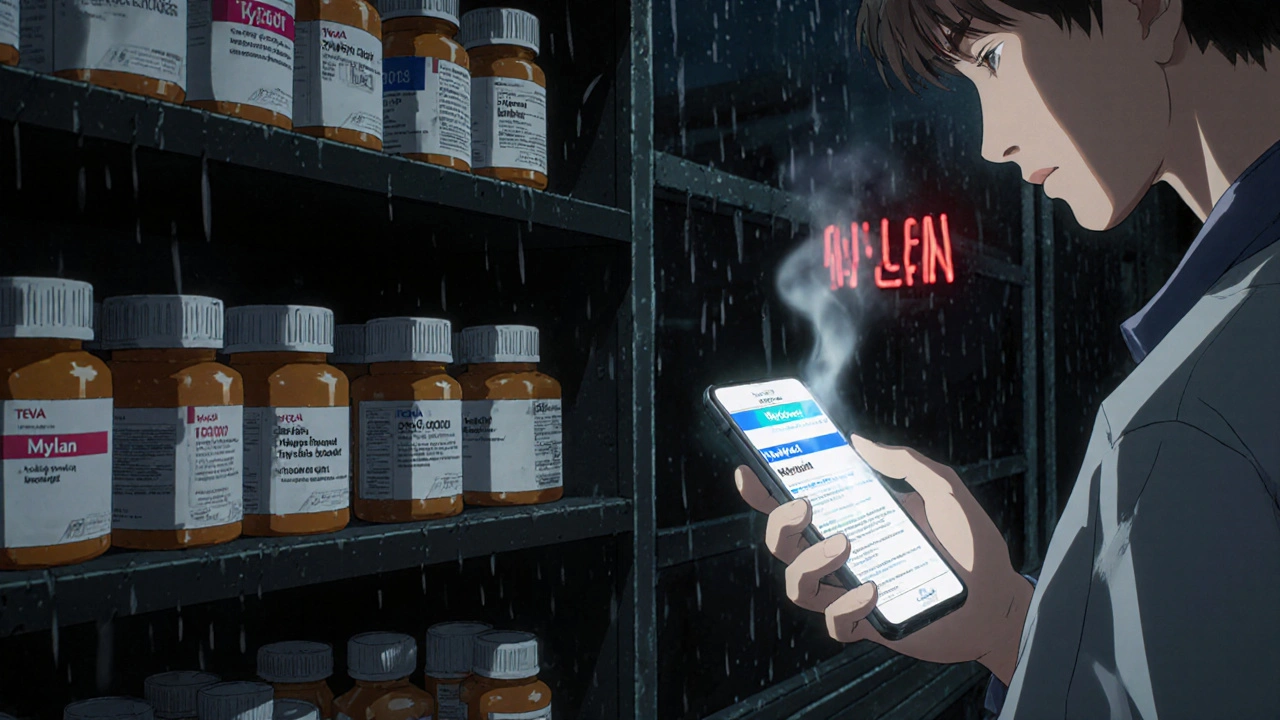
When you pick up a generic medication at the pharmacy, you’re getting the same active ingredient as the brand-name version-at least on paper. But what happens when that pill doesn’t work the same way? What if you feel worse, not better? That’s where MedWatch reporting comes in. It’s not a flashy system, but it’s one of the most important tools we have for catching hidden problems with generic drugs after they hit the market.
What Is MedWatch, Really?
MedWatch is the U.S. Food and Drug Administration’s voluntary reporting program for safety issues with medical products. It’s been around since 1993 and collects reports about adverse reactions, product defects, and even cases where a generic drug just doesn’t seem to work like it should. Unlike clinical trials, which test drugs on controlled groups before approval, MedWatch gathers real-world data from people actually using these medications every day.
It’s not just for brand-name drugs. In fact, generics make up about 90% of all prescriptions filled in the U.S. But here’s the catch: most people don’t realize they’re taking a generic, and even fewer know how to report a problem with it. The FDA’s system doesn’t automatically know whether a report is about a brand-name drug or a generic version unless someone tells it-clearly and specifically.
How Safety Data Gets Into MedWatch
Anyone can file a MedWatch report: patients, caregivers, pharmacists, doctors, or even generic drug manufacturers. The most common way is through the online portal at www.fda.gov/MedWatch. You can also fill out Form FDA 3500 by hand and mail it in. The form asks for basic info: your name (optional), the drug’s name, what happened, when it happened, and whether you think the drug caused it.
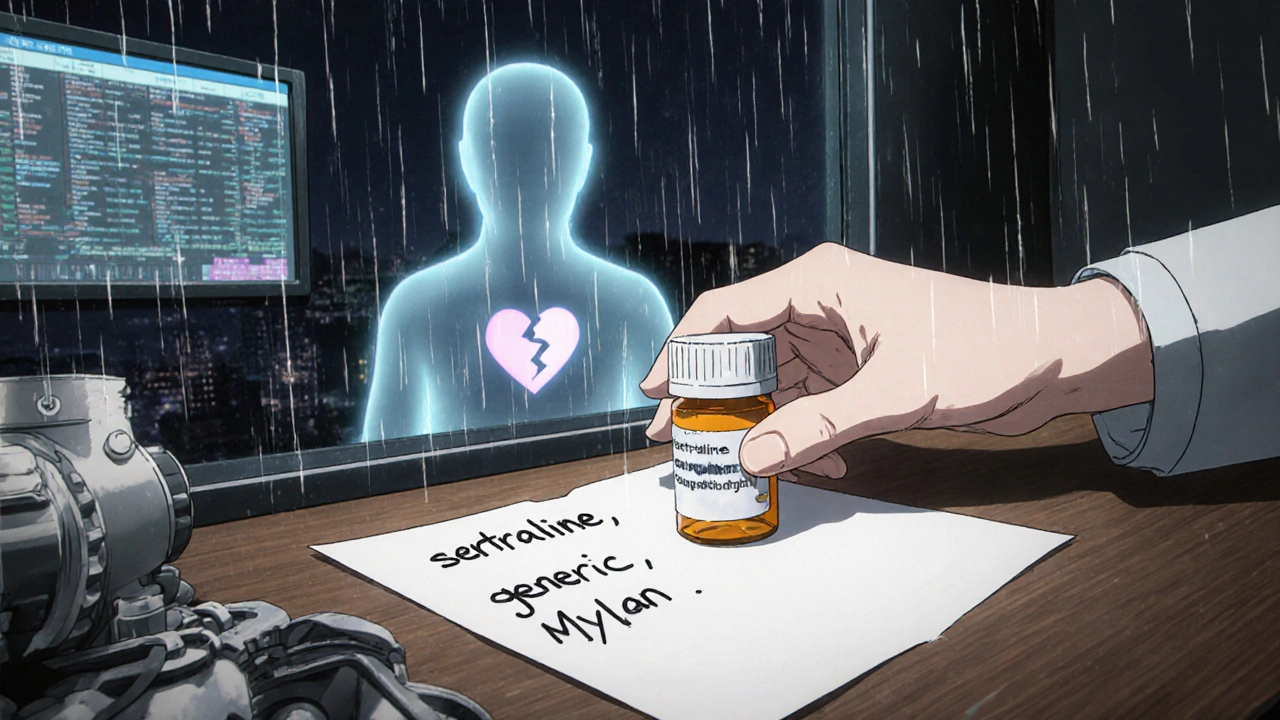
But for generics, the details matter more than you’d think. The FDA’s official guidance says: "For a generic product, enter the generic name first, followed by 'generic' and the manufacturer name if known." So instead of just typing "sertraline," you should write: "sertraline, generic, Teva" or "sertraline, generic, Mylan". That tiny bit of extra info helps the FDA track whether a problem is isolated to one manufacturer’s version-or if it’s happening across all generics.
Even better? Write down the National Drug Code (NDC) from the pill bottle. It’s a 10- or 11-digit number that uniquely identifies the exact product, including the manufacturer and dosage. Only about 28% of consumer reports include this, but those that do are far more useful to the FDA.
The Big Problem: Generic Reports Are Too Vague
Here’s the frustrating part: in over 67% of MedWatch reports involving generics, the manufacturer isn’t named. That means the FDA can’t tell if a problem is tied to one company’s batch-or if it’s a general issue with all generic versions.
A 2022 study analyzed more than 5,200 reports involving generics from 2020 to 2024. Only 32.7% included the manufacturer name. Compare that to brand-name reports, where 89.4% correctly named the maker. That gap creates a blind spot. If 10 people report feeling dizzy after taking a generic version of levothyroxine, but none say which brand they took, the FDA can’t investigate whether one manufacturer’s formula is faulty.
Patients often don’t know which company made their generic. Pharmacists sometimes don’t either-especially if the prescription was switched automatically. And even if they do, most people assume the FDA already knows. They don’t realize that without clear labeling, the system treats all generics as one big, anonymous group.
Therapeutic Inequivalence: When Generics Don’t Work the Same
One of the most common concerns reported through MedWatch is therapeutic inequivalence. That’s a fancy way of saying: "This generic doesn’t work like the brand I used to take."
Patients with conditions like epilepsy, thyroid disease, or depression are especially likely to notice this. One person might switch from brand-name Synthroid to a generic levothyroxine and suddenly feel fatigued, gain weight, or have heart palpitations. Another might switch from brand-name Wellbutrin XL to a generic bupropion and find their depression returning. These aren’t side effects-they’re signs the drug isn’t doing its job.
The FDA recognizes this as a legitimate safety concern. In fact, MedWatch has a specific category for "therapeutic inequivalence/failure." And it’s not just anecdotal. In 2022, multiple reports about a specific generic version of bupropion XL (made by Mylan) led to an FDA investigation. Within 11 months, the label was updated to warn about potential absorption issues.
That’s how the system should work. But it only works if people report it-and report it clearly.
Who Reports, and Why It’s Not Enough
Doctors and pharmacists are the most consistent reporters. A 2024 survey found that 96% of physicians found MedWatch easy to use. But even among professionals, only 22% consistently include manufacturer names in generic reports. Why? Time. Busy clinics don’t have hours to track down NDC codes.
Patients? They’re the biggest untapped resource. Yet most don’t report because they don’t know how-or they think it won’t matter. One patient on Drugs.com wrote: "I tried to report a reaction to generic sertraline, but the form didn’t even let me pick the manufacturer. It just said 'generic sertraline.'" That’s the system’s flaw. The form doesn’t force specificity. It assumes you’ll know to type it in.
And here’s the silent problem: underreporting. Experts estimate that fewer than 1 in 10 adverse events are ever reported. For generics, that number might be even lower. The FDA’s own data shows that only 4.7% of all drug-related reports mention "generic" in connection with therapeutic failure. That’s way below what you’d expect, given that generics dominate prescriptions.
What’s Being Done to Fix It
The FDA knows the system is broken-and it’s trying to fix it. In 2024, they rolled out a new algorithm that can now identify generic drugs in reports with 92.4% accuracy. It scans for manufacturer names, NDC patterns, and even common misspellings. It’s not perfect, but it’s a huge step up from before.
They’ve also launched the Generic Drug User Fee Amendments (GDUFA) III plan, which includes a direct promise to improve generic safety tracking. And by 2026, MedWatch is supposed to connect with electronic health records. That means when a doctor prescribes a generic, the system could automatically pull in the NDC and manufacturer-no manual entry needed.
Meanwhile, the FDA has added Spanish-language reporting forms and training modules for pharmacists. But none of this matters if patients don’t know to report-or don’t know how.
What You Can Do
If you’re taking a generic drug and notice something off-worse side effects, less effectiveness, sudden changes in how you feel-don’t ignore it. Don’t assume it’s "just in your head." Write down:
- The exact name of the drug (generic and brand if you know it)
- The manufacturer name (check the bottle or ask your pharmacist)
- The NDC number (10-11 digits on the packaging)
- When you started the medication
- What happened and when
- Any lab results or doctor visits tied to the issue
Then go to www.fda.gov/MedWatch and file a report. It takes 10 to 15 minutes. You don’t need to be a doctor. You don’t need to prove anything. Just tell your story.
One pharmacist in Ohio submitted 17 MedWatch reports on generic levothyroxine over three years. Only two got replies. But one of them led to a label change. That’s how change happens-not in boardrooms, but in reports from real people.
Why This Isn’t Just About One Drug
Generic drugs save the U.S. healthcare system over $300 billion a year. They’re essential. But safety can’t be an afterthought. If we treat all generics as identical, we risk missing dangerous variations. One manufacturer’s inactive ingredients, coating, or manufacturing process might cause a problem that others don’t. Without clear reporting, those differences stay hidden.
MedWatch isn’t perfect. It’s slow. It’s underused. But it’s the only system we have that lets everyday people help shape drug safety. And for generics-where the stakes are highest because so many people rely on them-it’s more important than ever.
Next time you pick up a generic prescription, take a second to look at the bottle. Know who made it. Know what’s in it. And if something feels wrong-speak up. Your report could be the one that saves someone else’s life.
Can I report a problem with a generic drug even if I’m not sure it’s the medication?
Yes. You don’t need to be certain. MedWatch is designed to collect signals, not confirm causes. If you suspect a generic drug caused a reaction-whether it’s dizziness, rash, mood changes, or lack of effectiveness-report it. The FDA’s analysts will review the data alongside other reports to look for patterns. Even uncertain reports help build the bigger picture.
Do I need to give my name when reporting?
No. You can file a report anonymously. But if you include your contact information, the FDA may follow up with questions or let you know if your report contributed to a safety update. It’s optional, but helpful.
What if I don’t know which manufacturer made my generic drug?
Ask your pharmacist. They can look up the manufacturer using the NDC code on your prescription label. If you can’t find it, just report the generic name and note that the manufacturer was unknown. The FDA still uses that data-it’s better than nothing.
How long does it take for the FDA to act on a MedWatch report?
There’s no set timeline. Some reports are reviewed within days if they signal a serious pattern. Others sit for months. But each report adds to the database. A single report might not change anything-but 50 similar reports can trigger an investigation. The bupropion XL case took 11 months from first report to label change. That’s not fast, but it’s how the system works.
Are generic drugs less safe than brand-name drugs?
No-by law, generics must be bioequivalent to their brand-name counterparts, meaning they deliver the same amount of active ingredient at the same rate. But bioequivalence doesn’t guarantee identical performance in every person. Differences in inactive ingredients, fillers, or coatings can affect how the drug is absorbed, especially in sensitive populations. That’s why safety reports matter: they catch real-world differences that lab tests might miss.
Pramod Kumar
November 22, 2025 AT 10:37I’ve been on generic sertraline for two years now, and honestly? I didn’t think twice until my anxiety crept back like a ghost. I switched from brand to generic without knowing the manufacturer. Turns out, it was Teva. The first batch was fine. The second? I felt like I was drowning in slow motion. I filed a MedWatch report with the NDC code-took me 12 minutes. No reply yet, but I’m not done. If this helps even one person avoid the fog, it’s worth it.
Also, shoutout to pharmacists who actually check the bottle. You’re the real MVPs.
Brandy Walley
November 23, 2025 AT 17:14generic drugs are fine if u just stop being a hypochondriac. i took generic metformin for 5 yrs and never had a prob. why do u think big pharma is so scared of generics? bc they make less money. u think the fda is gonna risk a lawsuit by admitting one generic is worse? lol. report all u want. the system is rigged.
shreyas yashas
November 24, 2025 AT 03:51My grandma takes generic levothyroxine. She switched brands last year and started having heart palpitations. We didn’t know what was going on until her pharmacist noticed the NDC changed. She went back to the old one-immediate improvement. I didn’t even know NDC codes existed until then. Now I check every bottle like it’s a treasure map.
It’s wild how much we’re expected to know about pharmaceuticals just to stay safe. We shouldn’t have to be detectives just to get medicine that works.
Suresh Ramaiyan
November 25, 2025 AT 16:55There’s a quiet injustice here. We let generics save us billions, then treat them like second-class citizens. The FDA says they’re bioequivalent-but biology isn’t math. Our bodies aren’t lab rats. One person’s ‘tolerated’ is another’s ‘crippled.’
And yet, we’re the ones expected to track down manufacturer names, scribble NDC codes, and hope someone listens. It’s not just about reporting-it’s about dignity. If we trust these pills to keep us alive, we owe them-and ourselves-the clarity to name them.
Maybe one day, the system will see patients as partners, not noise. Until then, I’ll keep typing. Even if it feels like shouting into a canyon.
Katy Bell
November 26, 2025 AT 00:33OMG I just realized I’ve been taking generic Wellbutrin for 3 years and I have NO IDEA who made it. I think it was the blue oval one? Or was it the white round one? I swear I looked at the bottle once but then I got distracted by my cat knocking over a plant. This post just gave me existential dread. I’m going to dig out my pill bottle right now. And maybe cry a little. Thank you for making me feel less alone in my pharmaceutical confusion.
Ragini Sharma
November 27, 2025 AT 14:32so like… i reported my generic adderall made me feel like a zombie and the form had like 3 boxes for ‘manufacturer’ and i just picked ‘other’ because i was tired. now i feel guilty. also i think the pharmacist gave me a different brand last time and i didn’t notice until i saw the pill looked like a tiny spaceship. what even is life.
Linda Rosie
November 29, 2025 AT 13:06Accurate reporting of generic drug manufacturers is essential for post-market surveillance and public health integrity. The current system's reliance on voluntary, non-standardized input creates significant data fragmentation. Standardization of NDC inclusion and manufacturer identification in reporting interfaces would substantially improve signal detection and regulatory responsiveness.
Vivian C Martinez
November 30, 2025 AT 01:19You’re not alone. I used to think I was just ‘getting older’ until I started tracking my meds. Now I keep a little notebook: date, drug, manufacturer, how I felt. It’s not glamorous, but it’s my safety net. And when I filed my first MedWatch report? I cried. Not because I was upset-but because I finally felt like I had a voice. Keep going. Your story matters more than you know.
Ross Ruprecht
November 30, 2025 AT 10:18why are we even talking about this? just take the brand name if you care that much. i don’t have time to play pharmacy detective.