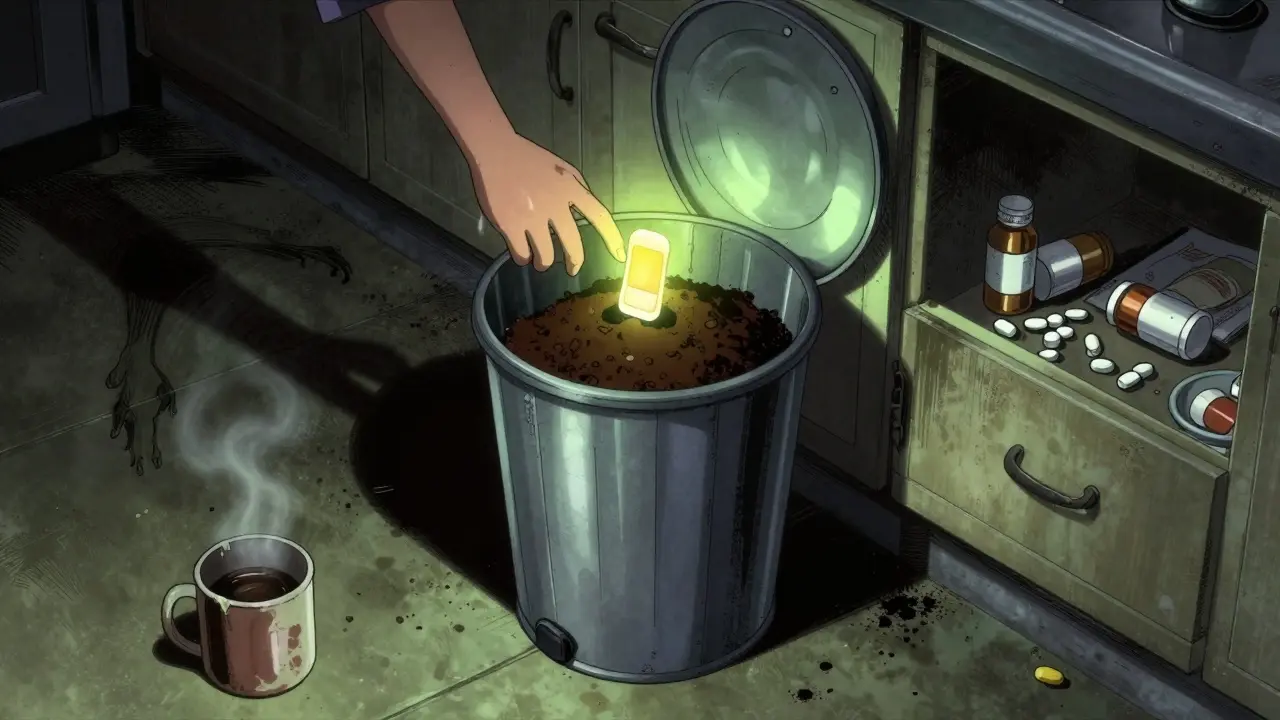
Putting old pills in the trash might seem harmless-but for some medications, it’s a dangerous mistake. In 2022, over 8,900 emergency cases in the U.S. involved accidental exposure to fentanyl, and nearly half of those were in children under five. These aren’t hypothetical risks. Real kids have ended up in the hospital after finding unused pain patches in the garbage. That’s why the FDA keeps a flush list-medications so deadly in a single dose that they must be flushed down the toilet, not tossed in the bin.
Why Some Medications Can’t Go in the Trash
Not all expired meds are created equal. Most can be safely thrown away after mixing with coffee grounds or kitty litter. But the FDA’s flush list includes drugs that can kill someone-even a child-with just one dose. Fentanyl, for example, is 50 to 100 times stronger than morphine. A single patch, if found by a curious toddler or a teenager experimenting, can stop breathing in minutes. These aren’t just strong painkillers-they’re high-risk substances that fuel the opioid crisis.The CDC reported over 107,000 drug overdose deaths in 2021. Of those, opioids like fentanyl, oxymorphone, and methadone were responsible for more than 70%. And most of these drugs don’t come from dealers-they come from medicine cabinets. The Substance Abuse and Mental Health Services Administration found that 53% of people who misused prescription painkillers got them from friends or family. That’s why flushing is not about being lazy-it’s about stopping a tragedy before it starts.
The FDA’s Official Flush List
The FDA’s flush list is short but deadly serious. If your medication is on this list, flush it immediately-don’t wait, don’t hide it, don’t throw it away. Here are the exact drugs that belong in the toilet:- Buprenorphine (brand names: Suboxone, Belbuca, Butrans, Zubsolv)
- Fentanyl (Abstral, Actiq, Duragesic, Fentora, Onsolis)
- Hydromorphone (Exalgo)
- Meperidine (Demerol)
- Methadone (Dolophine, Methadose)
- Morphine (Arymo ER, Avinza, Embeda, Kadian, Morphabond ER, MS Contin, Oramorph SR)
- Oxymorphone (Opana, Opana ER)
- Tapentadol (Nucynta, Nucynta ER)
- Sodium oxybate (Xyrem, Xywav)
- Diazepam rectal gel (Diastat, Diastat Acudial)
- Methylphenidate transdermal system (Daytrana)
These aren’t random choices. Every one of these drugs has been linked to fatal overdoses from single-dose exposure. The FDA doesn’t include them because they’re expensive or rare-they’re included because they’re lethal in small amounts and easy to misuse. If you’re unsure whether your medication is on the list, check the label or ask your pharmacist. Don’t guess.
What to Do With Other Medications
If your pills aren’t on the flush list, you don’t need to flush them. In fact, flushing unnecessary drugs adds to water contamination. For everything else, follow the FDA’s safe disposal steps:- Take the medication out of its original bottle.
- Don’t crush tablets or capsules-just open them if they’re pills, or pour liquids out.
- Mix them with something unappealing: used coffee grounds, cat litter, dirt, or even mustard.
- Put the mixture in a sealed plastic bag or container.
- Throw it in your household trash.
This makes the drugs unattractive and hard to recover. A child won’t dig through coffee grounds. A teenager won’t want to lick cat litter. The goal isn’t to destroy the drug chemically-it’s to make it physically unpleasant to use.
And never flush meds just because you’re worried about the environment. The FDA is clear: only flush what’s on the list. Everything else should go in the trash-properly mixed.
Environmental Concerns vs. Public Safety
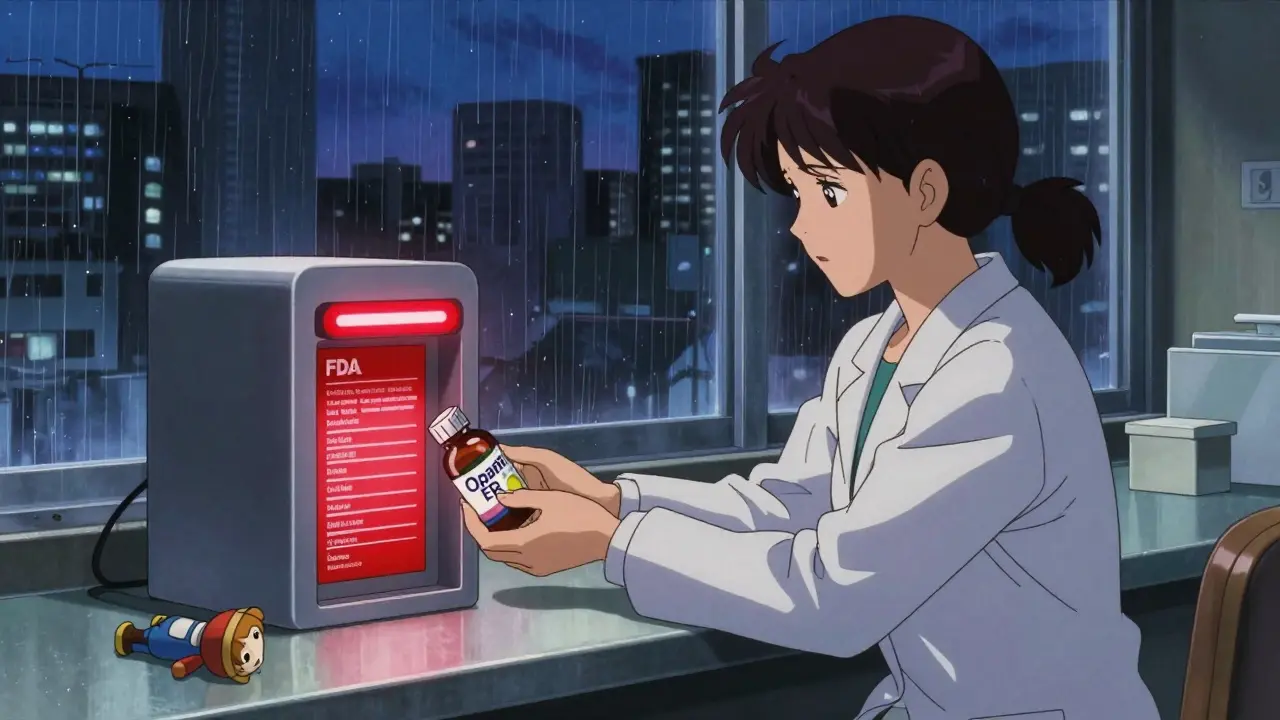
You’ve probably heard that flushing drugs pollutes water. That’s true. Studies show wastewater plants remove only 30% to 90% of pharmaceuticals. Some, like carbamazepine, barely get filtered out at all. Fish in rivers have shown hormonal changes from exposure to antidepressants and birth control pills.But here’s the catch: the EPA and FDA agree that for the flush list, the risk of death outweighs the environmental risk. A single fentanyl patch in the trash could kill three people. The same patch flushed down the toilet? The amount that makes it into waterways is so tiny, it’s considered negligible by experts. Dr. John Scott from the EPA testified in 2022 that the potential for multiple deaths from one patch is far greater than the tiny amount of chemical left in water.
It’s not a perfect solution-but it’s the only one that works fast enough to save lives. Environmental scientists aren’t asking you to stop flushing these drugs. They’re asking you to be precise. Flush only what’s on the list. Dispose of everything else the safe, trash way.
What Happens When People Get It Wrong
There are real stories behind these rules. In 2023, a Reddit user named u/MedSafetyNurse shared a case where a 3-year-old found two fentanyl patches in the trash and was rushed to the hospital. The child survived-but only because the parents found them quickly.In Montgomery County, Ohio, a teenager died after taking oxymorphone (Opana ER) found in a neighbor’s trash. The community responded by passing local laws requiring special disposal for Schedule II drugs. In Minnesota, over 300 collection boxes are available at pharmacies and police stations-but many people still don’t use them.
Why? Because the instructions are confusing. A 2022 study found only 43% of patients could correctly identify which meds to flush. Pharmacies report that 73% of patients ask, “Can I just throw this away?” The answer isn’t always obvious.
What You Can Do Today
You don’t need a special program or a trip to the pharmacy to do the right thing. Here’s what to do right now:- Check your medicine cabinet. Look for any of the drugs on the FDA flush list.
- If you find one, flush it immediately. No waiting. No storing. No second thoughts.
- For everything else, mix it with coffee grounds or kitty litter, seal it in a bag, and toss it.
- Remove personal info from pill bottles before recycling them.
- Ask your pharmacist if your local pharmacy has a take-back bin. Many do.
Some pharmacies like Walgreens and CVS have disposal kiosks in over 4,000 locations across the U.S. You can drop off any unused, unneeded meds-no questions asked. These bins are safe, free, and designed to prevent misuse.
If you’re unsure, call your pharmacist. They’ve seen it all. They know which pills are dangerous and which are not. Don’t rely on Google or a friend’s advice.
What’s Changing in the Future
The system isn’t perfect, but it’s getting better. In 2023, the FDA updated its flush list to include newer versions of old drugs. The EPA is now testing for 30 different pharmaceuticals in drinking water. Companies like DisposeRx are selling $1.50 packets that turn pills into gel when mixed with water-making them impossible to recover.Some states are starting to require doctors to give disposal instructions with every prescription. A pilot program in Florida found that special envelopes with activated charcoal reduced improper disposal by 63%. That’s a big win.
But until every medication comes with a built-in disposal solution, the responsibility falls on you. You’re not just cleaning out your cabinet-you’re protecting your family, your neighbors, and your community.
Final Reminder: Flush Only What’s on the List
This isn’t about being environmentally perfect. It’s about being human. The flush list exists because people die from mistakes. A child finds a patch. A teen takes a pill they think is harmless. A parent doesn’t know the difference.So here’s your simple rule:
- Is it on the FDA flush list? → Flush it.
- Is it not on the list? → Mix it, bag it, trash it.
That’s it. No exceptions. No guesswork. No delay.
Can I flush all expired medications down the toilet?
No. Only medications on the FDA’s official flush list should be flushed. Flushing other drugs contributes to water pollution. For everything else, mix them with coffee grounds or kitty litter, seal them in a plastic bag, and throw them in the trash.
What if I don’t have access to a take-back program?
If you can’t get to a pharmacy drop-off or law enforcement collection box, follow the FDA’s trash disposal method: remove pills from their container, mix them with an unappealing substance like dirt or used coffee grounds, seal them in a plastic bag, and toss them in the trash. This makes them unattractive and hard to misuse.
Are flush-list medications dangerous even if they’re expired?
Yes. Expired doesn’t mean safe. Fentanyl, methadone, and other drugs on the flush list remain potent and deadly long after their expiration date. A single dose can still cause death, even years later. That’s why they must be flushed immediately when no longer needed-not saved for later.
Why can’t I just crush the pills and throw them away?
The FDA advises against crushing tablets or capsules because it can release dangerous amounts of medication all at once, especially with extended-release drugs like Opana ER or MS Contin. Crushing also makes it easier for someone to collect and use the drug. Mixing whole pills with coffee grounds is safer and more effective at deterring misuse.
What should I do with needles or syringes?
Never flush needles or syringes. Place them in a hard plastic container like a laundry detergent bottle, seal it tightly, label it "Sharps - Do Not Recycle," and dispose of it according to local hazardous waste rules. Many pharmacies and health departments offer sharps disposal programs.
Can I donate unused medications?
In most places, no. U.S. law generally prohibits donating prescription medications due to safety and regulatory risks. Even if the pills are unopened, they can’t be legally redistributed. Always dispose of them properly instead.
Caitlin Foster
December 26, 2025 AT 20:31Todd Scott
December 27, 2025 AT 03:40Andrew Gurung
December 27, 2025 AT 04:08James Bowers
December 28, 2025 AT 10:09Will Neitzer
December 29, 2025 AT 14:40Janice Holmes
December 29, 2025 AT 18:35Olivia Goolsby
December 31, 2025 AT 03:22Nicola George
December 31, 2025 AT 12:46Babe Addict
January 1, 2026 AT 11:59Elizabeth Alvarez
January 2, 2026 AT 16:01Kylie Robson
January 4, 2026 AT 00:37Nikki Thames
January 5, 2026 AT 09:24Chris Garcia
January 5, 2026 AT 11:41Liz Tanner
January 6, 2026 AT 22:39Anna Weitz
January 7, 2026 AT 09:08