The goal here isn't to scare you away from a medication that works, but to make sure you know exactly what to avoid. Whether you're starting a prescription or caring for someone who is, understanding these risks is the only way to stay safe.
The Two Main Danger Zones
When you take an MAOI, your body stops breaking down certain chemicals. This is great for your mood, but it's a disaster if those chemicals build up too fast. There are two primary ways this goes wrong: hypertensive crisis and serotonin syndrome.
A hypertensive crisis is essentially a blood pressure spike from hell. It happens when you consume too much tyramine-an amino acid found in many foods-or take certain stimulants. Because the MAOI blocks the breakdown of tyramine, your body releases a massive surge of norepinephrine. This can kick your systolic blood pressure up by 100 mmHg in under two hours. We're talking about numbers hitting 200-250 mmHg, which puts you at immediate risk for a stroke.
Then there's serotonin syndrome. This happens when you combine an MAOI with another drug that increases serotonin. Your brain becomes flooded with the "feel-good" chemical to a toxic degree. It starts with shivering and diarrhea but can quickly spiral into a fever over 106°F (41.1°C) and muscle breakdown. In severe cases, it's a life-or-death situation with a mortality rate that can reach 12%.
Medications That Can Trigger a Crisis
Not all drug interactions are created equal. Some are subtle, while others are like throwing gasoline on a fire. The most dangerous are often the ones we find in the "Cold and Flu" aisle of the pharmacy.
- Decongestants: Phenylephrine, found in many nasal sprays and oral cold meds, is a major red flag. It stimulates vascular receptors that, when combined with an MAOI, cause blood pressure to skyrocket.
- Cough Suppressants: Dextromethorphan is used in over 100 common cough products. There are documented cases of patients experiencing severe agitation and hyperthermia after just one 30mg dose while on phenelzine.
- Painkillers: Certain opioids are strictly off-limits. Tramadol, meperidine, and methadone are high-risk triggers for serotonin syndrome. One report detailed a 32-year-old man who required intubation after taking just 50mg of tramadol while using selegiline.
- Antibiotics: Linezolid is a modern antibiotic that also inhibits the MAO enzyme. Combining it with an MAOI can be fatal; one case involved a 65-year-old woman who suffered a severe reaction when taking it alongside phenelzine.
The Hidden Risks: Supplements and Herbs
Many people assume that "natural" means "safe," but when it comes to MAOIs, some supplements are just as dangerous as prescription drugs. The American Psychiatric Association specifically warns against mixing these substances.
St. John's Wort is a common go-to for mild depression, but it's a serotonergic agent. Mixing it with an MAOI is a recipe for serotonin syndrome. The same goes for 5-HTP and SAMe. In one clinical report, a patient taking phenelzine developed a fever of 40.5°C and blood pressure of 220/110 mmHg after adding just 200mg of 5-HTP to their routine.
Even some traditional herbs like ginseng can cause issues. While some researchers think the problems might stem from caffeine contamination in the supplements, there are documented cases of patients developing mania and severe tremors. When you're on an MAOI, the rule is simple: check every single supplement with your doctor first.
| Substance Type | Examples | Primary Risk | Severity |
|---|---|---|---|
| Cold/Flu Meds | Phenylephrine, Dextromethorphan | Hypertensive Crisis / Serotonin Syndrome | High |
| Antidepressants | SSRIs (e.g., Fluoxetine, Citalopram) | Serotonin Syndrome | Critical |
| Pain Medications | Tramadol, Meperidine | Serotonin Syndrome | Critical |
| Supplements | St. John's Wort, 5-HTP, SAMe | Serotonin Syndrome | High |
The Tyramine Diet: What to Avoid
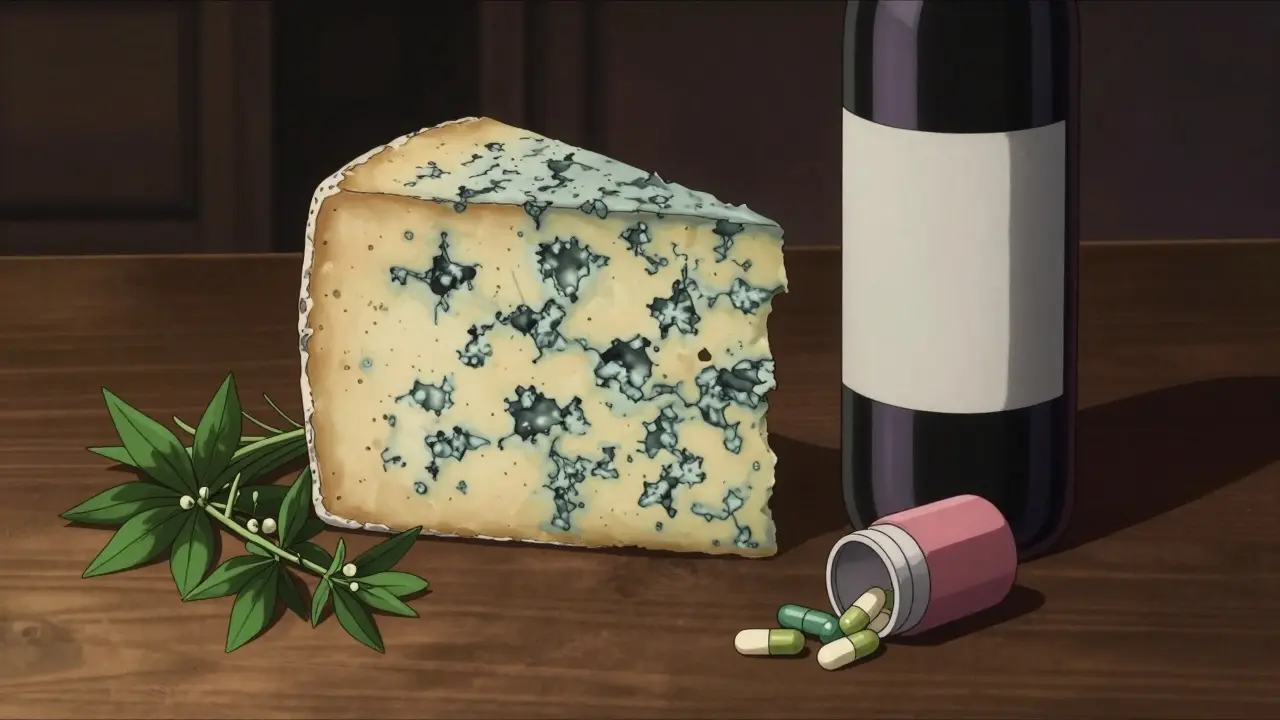
It's not just about pills. Certain foods contain tyramine, which the MAO enzyme usually cleans up. On an MAOI, tyramine builds up and triggers that hypertensive crisis we mentioned. The threshold for a crisis is generally 10-25mg of tyramine. To put that in perspective, just one ounce of strong aged cheese (about 15mg) can send your systolic blood pressure up by 60-100 mmHg.
Here are the primary foods to avoid:
- Aged Cheeses: Avoid anything aged more than 6 months (like sharp cheddar, swiss, or gorgonzola).
- Cured Meats: Pepperoni, salami, and other processed meats are high-risk.
- Fermented Soy: Soy sauce and miso are concentrated sources of tyramine.
- Certain Alcohols: Tap or draft beers and specific wines, like Chianti, can be dangerous.
Interestingly, not all MAOIs are the same. The Selegiline patch (Emsam) at the 6mg dose has a much lower risk of food interactions. Many patients on this specific dose can eat moderate amounts of tyramine without the same danger associated with older oral pills like phenelzine.
Switching Medications: The Washout Period
You can't just stop an MAOI on Monday and start an SSRI on Tuesday. Your body needs time to regenerate the MAO enzymes you've been blocking. This is called a washout period. For most irreversible MAOIs, the standard is a 14-day gap. However, if you're switching from an MAOI to Fluoxetine (Prozac), you need a full 5-week gap. Why? Because fluoxetine and its active metabolite stay in your system much longer than other drugs.
Ignoring this window is essentially inviting serotonin syndrome into your body. Doctors now use electronic health record systems with "hard stops" to prevent these dangerous prescriptions, but you should always double-check the dates yourself.
Pro Tips for Staying Safe
Since the margin for error is so small, you need a system. Relying on memory isn't enough, especially if you're elderly or taking multiple medications.
- Carry a Wallet Card: This is a gold-standard recommendation. A simple card listing the MAOI you're taking and a list of contraindicated drugs can save your life if you're unconscious in an ER.
- Read the Fine Print: Look for the FDA warning on cough and cold medicines: "Do not use this product if you are taking a prescription drug containing a monoamine oxidase inhibitor." Even then, be cautious, as some labels might be missing this warning.
- Inform Every Provider: Your dentist, your primary care doctor, and your pharmacist all need to know. A 2021 study found that 34% of primary care physicians weren't even aware that dextromethorphan was dangerous for MAOI patients. Be your own advocate.
What are the first signs of a hypertensive crisis?
The most common early warning sign is a sudden, severe "thunderclap" headache, usually at the back of the head. This is often accompanied by nausea, vomiting, neck stiffness, and a rapid or pounding heartbeat. If you experience these, seek emergency medical help immediately.
Can I eat any cheese while taking an MAOI?
Yes, but stick to fresh cheeses. Cottage cheese, cream cheese, and ricotta are generally safe because they aren't aged. Avoid aged cheeses like parmesan, roquefort, or sharp cheddar, which contain high levels of tyramine.
Is the Selegiline patch safer than oral MAOIs?
Generally, yes. The transdermal selegiline patch at the lowest dose (6mg/24hr) significantly reduces the risk of dietary interactions compared to oral versions, meaning you don't have to follow the strict tyramine diet as rigorously.
Why is the washout period so long for Fluoxetine?
Fluoxetine has an exceptionally long half-life. It and its active metabolite, norfluoxetine, linger in your system for weeks. Switching too soon creates a high risk of serotonin syndrome because the MAOI effects and the fluoxetine effects overlap.
Can I take aspirin or ibuprofen?
Common NSAIDs like ibuprofen and aspirin typically do not have the same dangerous interactions as the stimulants or serotonergic drugs mentioned. However, always confirm with your pharmacist to ensure there are no other contraindications with your specific health profile.