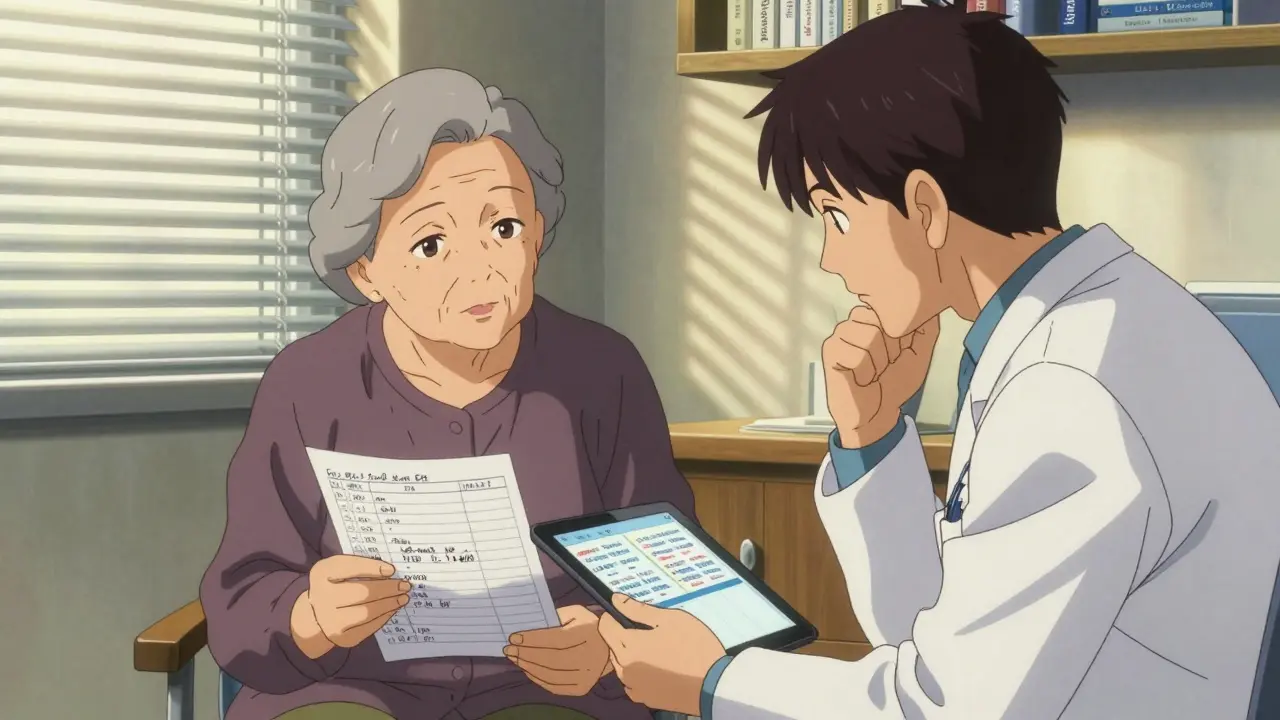
Many older adults take five, six, or even more medications every day. Some of these drugs were prescribed years ago for conditions that have changed-or disappeared. But they’re still on the list. And that’s not just common. It’s risky. About 15% of seniors on five or more drugs experience harmful side effects like dizziness, confusion, falls, or kidney problems. The good news? You don’t have to keep taking everything. You can talk to your doctor about reducing what you don’t need. This is called deprescribing.
Why Deprescribing Matters More Than You Think
Deprescribing isn’t about stopping all your meds. It’s about making sure each one still serves a purpose. For example, if you’re on a blood thinner because of a past heart issue but now have a very low risk of clots, that drug might do more harm than good. Or if you’re taking a statin for cholesterol but your life expectancy is now limited by other conditions, the long-term benefit fades. The goal isn’t to cut pills for the sake of cutting pills. It’s to protect your daily life-your balance, your memory, your ability to walk, garden, or play with your grandkids.Research shows that 68% of older adults would gladly take fewer medications-if their doctor brought it up. But most don’t. Doctors often don’t initiate the conversation. That means you need to. And when you do, how you say it makes all the difference.
Don’t Say ‘I Want Fewer Pills’
Too many people walk in and say, ‘I want to take fewer pills.’ That sounds like a request for convenience. And doctors hear it as a request for simplicity-not safety. Studies show that when patients say this, their chances of getting a positive response drop to under 30%.Instead, link your concern to something real. Say: ‘I’ve been feeling dizzy after I take my blood pressure pill in the morning. Last week, I nearly fell getting out of the shower. I want to stay independent, and I’m worried this medicine might be making that harder.’ That’s not a complaint. That’s a health goal.
A 2021 study found that phrases like ‘This medicine might be hurting you more than helping’ had a 4.7 out of 5 preference rating among seniors. Why? Because it’s honest, specific, and tied to daily life. Doctors respond to stories about function-not numbers.
Prepare Before You Walk In
Going in cold rarely works. The average doctor visit lasts 15 minutes. You need to use every second wisely. Here’s what to bring:- A complete list of every medication-prescription, over-the-counter, vitamins, supplements. Don’t forget the aspirin you take for heart health or the melatonin for sleep. About 23% of patients leave something out, and that’s often the key to the problem.
- A short log of side effects. Not just ‘I feel tired.’ Write: ‘Dizziness 2 hours after taking amlodipine, happened 3 times last week. Had to sit down while making coffee.’
- One or two specific medications you’d like to talk about. Pick the ones you suspect are causing trouble. Don’t try to tackle all 10 at once.
- A clear goal. ‘I want to walk to the park without feeling wobbly.’ ‘I want to remember my grandkids’ names without mixing up meds.’
Bring printed info from trusted sources like the Canadian Deprescribing Guidelines or the Beers Criteria. These are used by doctors worldwide to spot outdated or risky prescriptions. Showing you’ve done your homework builds trust. In fact, patients who bring these materials are 33% more likely to get a deprescribing plan.
Use the Ask-Tell-Ask Method
This isn’t a debate. It’s a conversation. Use this three-step approach:- Ask: ‘What’s your view on how my medications are working for me right now?’
- Tell: ‘I’ve noticed I’ve been more unsteady lately, and I think it might be from the combination of these three blood pressure pills. I’ve read that taking too many can increase fall risk, especially when they overlap.’
- Ask again: ‘What would be the safest way to test if we could reduce one of them?’
This keeps the tone collaborative. It shows you respect their expertise but are also taking charge of your own health. Studies show this method increases successful deprescribing by 58% compared to just asking for a reduction.
Expect Gradual Changes, Not Quick Fixes
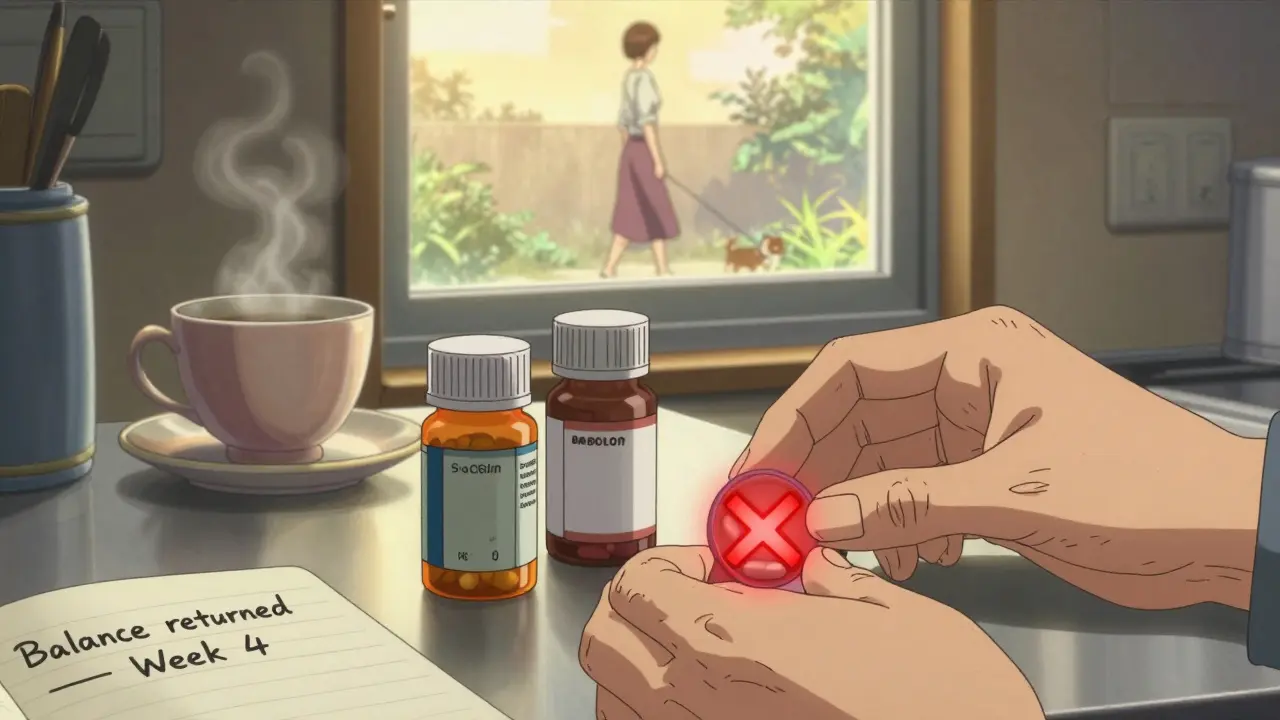
No one should stop a medication cold turkey-especially things like antidepressants, blood pressure drugs, or anti-seizure meds. Most successful deprescribing happens slowly. A 25% dose reduction every month, with follow-up checks, is common. Your doctor might suggest a ‘drug holiday’-stopping for a week to see how you feel.Ask: ‘What signs should I watch for if we lower this dose?’ and ‘When should I come back to check how I’m doing?’ This shows you’re serious about safety. In fact, 79% of doctors won’t agree to stop a drug unless there’s a clear plan to monitor for side effects or return of symptoms.
What If Your Doctor Says No?
Sometimes, they’ll say it’s too risky or not medically appropriate. That’s okay. Don’t walk away. Ask: ‘Can we try a smaller step? Maybe reduce just one pill for a month and see how I feel?’ Or: ‘Could you refer me to a geriatric pharmacist? I’ve heard they specialize in reviewing older adults’ meds.’Many primary care doctors feel undertrained in deprescribing. Only 22% say they’re confident doing it. But geriatric pharmacists and aging specialists are trained specifically for this. You’re not being difficult-you’re being smart.
It’s Not About Cost-It’s About Control
Some patients think saying ‘this is expensive’ will help. But research shows cost-based arguments are the least effective. Only 23% of seniors respond well to them. Worse, caregivers often misinterpret cost talk as ‘the doctor doesn’t care anymore.’Focus on your life. Say: ‘I want to be able to play cards with my friends without feeling foggy.’ Or: ‘I want to sleep through the night without getting up three times to pee.’ These aren’t trivial. They’re what aging well looks like.

What’s Changed in 2026
This isn’t just theory. Things are changing fast. Since 2023, Medicare now requires an annual medication review during the Annual Wellness Visit. That means your doctor should be asking you about your meds-whether you bring it up or not. Electronic health records now flag risky drug combinations for seniors automatically. And the CDC’s ‘Right Size My Meds’ campaign has helped over 2 million seniors start these conversations.But the biggest shift? Patients are leading it. A 2025 study found that 92% of doctors say deprescribing succeeds far more often when the patient starts the conversation. You’re not asking for permission. You’re helping your doctor do their job better.
Real Success Stories
One woman in Brisbane, 78, kept a journal for two weeks: which meds she took, when she felt dizzy, when she forgot names. She brought it in. Her doctor agreed to stop one antihypertensive and reduce another. Within six weeks, her balance improved. She started walking her dog again. Another man in Perth had been on five meds for high blood pressure. He told his doctor: ‘I want to be able to carry my own groceries without my arms shaking.’ They cut two pills. His tremors disappeared. He started cooking again.These aren’t miracles. They’re results of clear communication.
What to Do Next
Start today. Grab a notebook. Write down every pill you take. Note any side effects you’ve ignored. Think of one thing you want to do more of-walking, reading, visiting family-and ask yourself: could any of these meds be getting in the way?When you schedule your next appointment, say: ‘I’d like to have a 20-minute medication review.’ Don’t say ‘quick chat.’ Don’t let them rush you. You’re not just a patient. You’re the person living with these drugs every day. And you deserve a regimen that supports your life-not complicates it.
What is deprescribing?
Deprescribing is the careful, supervised process of reducing or stopping medications that are no longer needed or that may be causing more harm than benefit. It’s especially important for older adults taking multiple drugs, where side effects like dizziness, confusion, or falls can outweigh the original benefits of the medicine.
Is it safe to stop taking medications on my own?
No. Stopping medications without medical supervision can be dangerous. Some drugs, like blood pressure pills, antidepressants, or steroids, can cause serious withdrawal symptoms or rebound effects if stopped suddenly. Always work with your doctor to create a safe, gradual plan.
Which medications are most often candidates for deprescribing?
Common candidates include: long-term proton pump inhibitors (for heartburn), benzodiazepines (for sleep or anxiety), anticholinergics (for overactive bladder), certain blood pressure or diabetes drugs if goals have changed, and statins if life expectancy is limited. The Beers Criteria and STOPP/START guidelines help doctors identify these.
How long does it take to see results after reducing a medication?
It varies. For drugs that cause dizziness or confusion, improvements can happen within days or weeks. For others, like reducing a statin, changes may take longer to notice. Your doctor will usually schedule a follow-up in 2 to 6 weeks to check how you’re doing and watch for any return of original symptoms.
What if I’m worried the condition will come back?
That’s a common fear-and a valid one. That’s why deprescribing is done slowly and with monitoring. Your doctor will help you track symptoms. If the original condition returns, the medication can be restarted. But often, the condition has improved naturally over time, or the medication was no longer needed in the first place.
Can I ask for a second opinion on my medications?
Absolutely. You can ask your doctor for a referral to a geriatric pharmacist or a specialist in aging. These professionals are trained to review complex medication lists and spot potential problems. Many hospitals and clinics offer free medication reviews for seniors.
Does Medicare cover medication reviews?
Yes. Since 2024, Medicare requires an annual medication optimization discussion as part of the Annual Wellness Visit. This visit is free and specifically designed to review your medications, identify risks, and explore deprescribing options.
Beth Templeton
January 7, 2026 AT 05:59Rachel Wermager
January 7, 2026 AT 20:09Molly McLane
January 8, 2026 AT 03:10Leonard Shit
January 9, 2026 AT 01:59Wesley Pereira
January 9, 2026 AT 02:11Isaac Jules
January 10, 2026 AT 18:44Stuart Shield
January 12, 2026 AT 04:37Gabrielle Panchev
January 13, 2026 AT 04:29Katelyn Slack
January 14, 2026 AT 00:41Melanie Clark
January 15, 2026 AT 12:56Matt Beck
January 15, 2026 AT 19:48