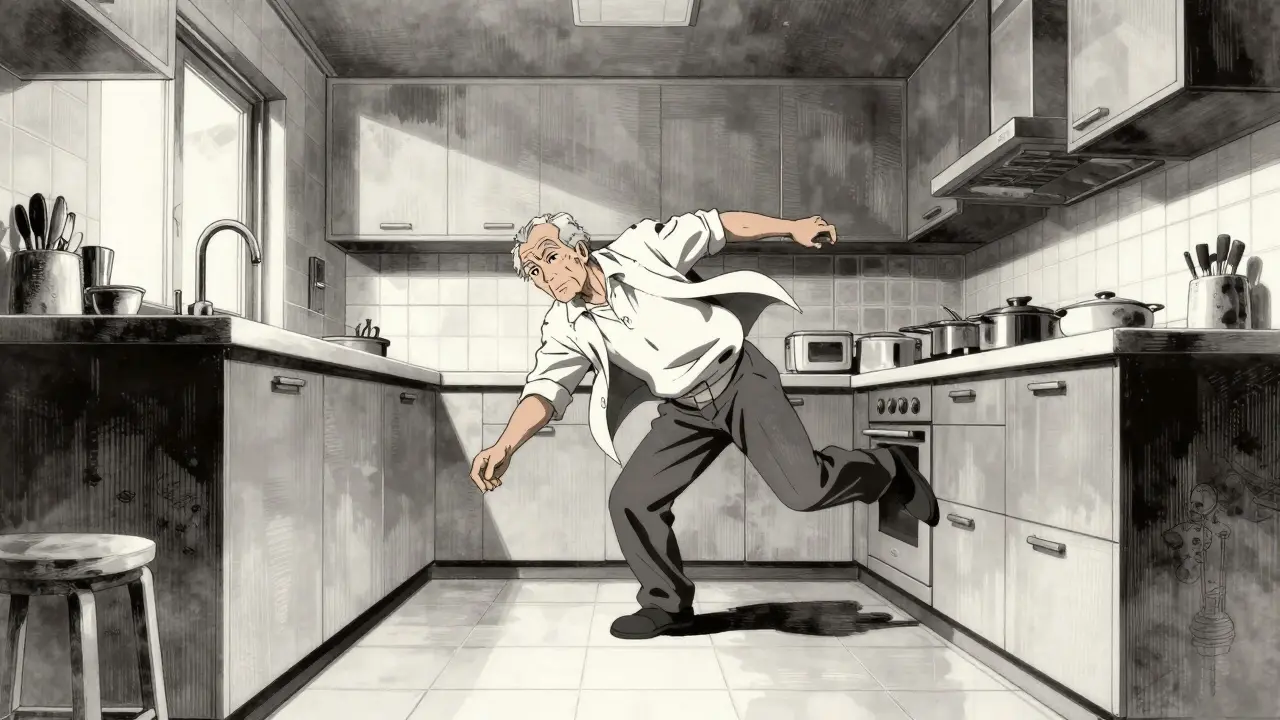
Imagine a simple trip to the kitchen ending in a hip fracture. For millions of people, this isn't a freak accident but the result of thinning bones. Each year, about 2 million osteoporosis-related fractures happen in the US alone, costing the healthcare system roughly $52 billion. If you've been told your bone density is low, you're probably wondering if a few pills can actually stop a break. The short answer is: yes, but only if you use the right combination of nutrients and medicine. Taking a single vitamin without a plan often does nothing, but a targeted strategy can slash your risk significantly.
The Truth About Vitamin D and Calcium
Many people treat Vitamin D is a fat-soluble nutrient that helps the body absorb calcium and maintain healthy bone mineralization as a miracle cure. However, the data tells a different story. If you take Vitamin D alone, you might be wasting your money. A massive review of 11 clinical trials involving over 34,000 people found that 800 IU of Vitamin D daily on its own didn't actually reduce the risk of fractures.
The real magic happens when you pair it with Calcium, a mineral essential for the structural integrity of the skeletal system. When combined, the results are much better. Research shows that taking 800-1,000 IU of Vitamin D3 along with 1,000-1,200 mg of calcium daily can reduce any fracture risk by 6% and hip fractures by 16%. But here is the catch: this mainly works for people who are actually deficient. If your 25-hydroxyvitamin D levels are already healthy, adding more supplements won't give you a "super-bone" effect.
That said, you shouldn't just start popping high-dose calcium pills. The Women's Health Initiative (WHI) found that too much calcium-specifically over 1,000 mg per day-might actually increase your risk of cardiovascular events and kidney stones by about 17%. It's a balancing act: too little and your bones stay brittle; too much and you risk heart or kidney issues.
When Supplements Aren't Enough: Bone-Building Meds
While nutrients provide the raw materials, bone-building medications are the construction crew that actually rebuild the structure. If you have a diagnosis of Osteoporosis a skeletal disorder characterized by compromised bone mass and deterioration of bone tissue, supplements are just the foundation; you need pharmacological help to prevent a break.
The most common starting point is Bisphosphonates, a class of drugs that prevent the loss of bone density by inhibiting bone resorption. Common examples include alendronate and zoledronic acid. These aren't just slightly better than vitamins-they are powerful. The Fracture Intervention Trial (FIT) showed that these meds can cut the risk of vertebral fractures by a staggering 40% to 70%.
Depending on how severe your bone loss is, your doctor might suggest other options:
- Denosumab: A monoclonal antibody that blocks the cells that break down bone.
- Teriparatide: An anabolic agent that actually stimulates the body to grow new bone.
- Romosozumab: A newer drug that both builds bone and reduces bone loss.
| Approach | Primary Goal | Typical Efficacy | Main Risk/Downside |
|---|---|---|---|
| Calcium + Vit D | Nutritional Support | 16% reduction in hip fractures (if deficient) | Kidney stones, constipation |
| Bisphosphonates | Stop Bone Loss | 40-70% reduction in spinal fractures | GI upset, rare jaw necrosis |
| Anabolic Agents | Grow New Bone | Up to 86% reduction (e.g., Abaloparatide) | Higher cost, injection required |
The "Sequential Therapy" Strategy
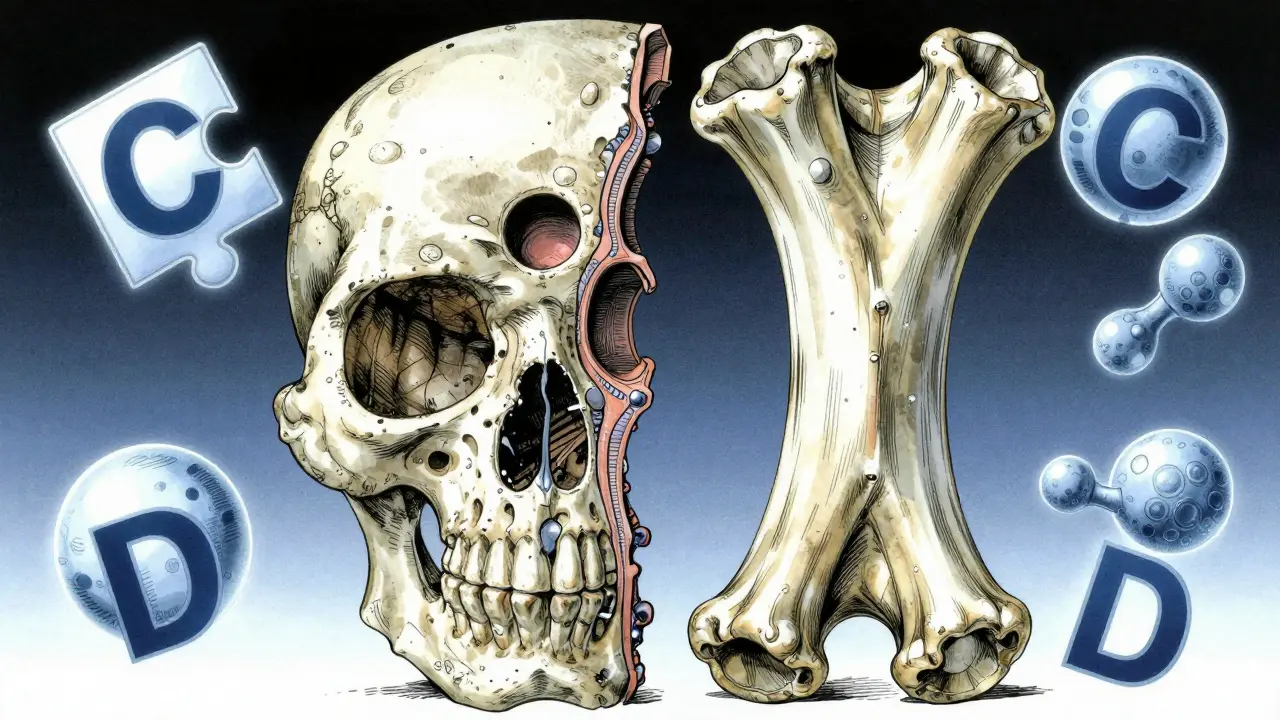
For people with severe osteoporosis, the game has changed. We used to just put people on a bisphosphonate and leave them there for years. Now, experts are moving toward "sequential therapy." This means starting with an anabolic agent like teriparatide to build the bone back up first, then switching to an antiresorptive (like a bisphosphonate) to lock those gains in place. The DATA-Switch trial showed this method was 73% more effective at preventing new spinal fractures than using bisphosphonates alone.
This approach is like renovating a house: you first add the new support beams (anabolic) and then apply the protective sealant (antiresorptive) to make sure they don't rot away. It's a more aggressive but far more effective way to handle high-risk patients.

Avoiding Common Pitfalls and Side Effects
The biggest hurdle in fracture prevention isn't the medicine-it's the side effects. A survey by the National Osteoporosis Foundation found that 68% of patients on bisphosphonates reported stomach issues, and nearly a quarter quit their meds within a year. If you're struggling with the "burning" feeling of oral alendronate, talk to your doctor about intravenous options like zoledronic acid, which is administered once a year and skips the gut entirely.
Another common mistake is the "supplement loop." Many people take low-dose Vitamin D (400 IU or less) and a little calcium, thinking they're protected. However, the US Preventive Services Task Force (USPSTF) has explicitly stated that these low doses provide no real benefit for preventing fractures in most community-dwelling women. If you're going to do it, you need to hit the effective dosage thresholds, but only after a blood test confirms you actually need it.
Your Step-by-Step Bone Health Plan
Stopping a fracture before it happens requires more than a random pharmacy trip. Here is the logical flow for managing your bone health:
- Get a Baseline: Request a 25-hydroxyvitamin D blood test. You want to be in the 30-50 ng/mL range.
- Assess Your Risk: Use the FRAX® Tool, a worldwidely used algorithm to predict the 10-year probability of a major osteoporotic fracture. This helps determine if you need a supplement or a prescription drug.
- Fix the Deficiency: If your levels are below 20 ng/mL, your doctor might start you on a high-dose weekly dose (50,000 IU) for a few months before moving to a daily maintenance dose of 800-2,000 IU.
- Dental Check: Before starting powerful bone meds, get a dental exam. While rare, certain medications can cause issues with the jaw bone (osteonecrosis), and it's better to handle dental work first.
- Monitor: Check your serum calcium levels every 3-6 months if you're on high-dose supplements to avoid hypercalcemia.
Can I just take Vitamin D without Calcium?
While Vitamin D is great for overall health, the evidence shows it does very little to prevent fractures on its own. For bone strength, you need both. Vitamin D acts as the key that lets calcium enter your bloodstream and get into your bones. Without enough calcium, the Vitamin D has nothing to "move," and without Vitamin D, the calcium can't get in.
Are bone-building medications safe for long-term use?
Most are very safe, but they aren't without risks. Bisphosphonates have a very rare risk (0.1% after 5 years) of atypical femoral fractures. Because of this, some doctors suggest a "drug holiday" after several years of treatment to let the bone remodel naturally. Always discuss the timing of your treatment with a specialist.
What is the best way to take calcium to avoid constipation?
Calcium carbonate is common but often causes bloating and constipation. Calcium citrate is generally easier on the stomach and doesn't require stomach acid for absorption, making it a better choice for older adults or those taking acid-blockers (PPIs). Increasing water and fiber intake also helps significantly.
How do I know if I actually need these medications?
A DXA scan (bone density test) is the gold standard. If your T-score is -2.5 or lower, you have osteoporosis. However, the FRAX tool is also vital because it looks at other risks-like family history, smoking, and previous breaks-to see if you should start treatment even if your density isn't critically low yet.
Is a 400 IU Vitamin D supplement enough?
For most adults targeting fracture prevention, 400 IU is likely too low. The USPSTF and other major guidelines suggest that doses of 400 IU or less, combined with modest calcium, show no significant benefit in preventing hip or spinal fractures in postmenopausal women.
Rauf Ronald
April 6, 2026 AT 20:42Switching to calcium citrate was a game changer for me because the carbonate stuff just wrecked my stomach. Honestly, if you're over 60, don't even bother with the cheap carbonate versions because the bloating is real. Also, getting that baseline blood test is the only way to actually know if you're just throwing money down the drain with supplements. Most people just guess and it's a total waste of time!
Grace Lottering
April 6, 2026 AT 22:11Big Pharma just wants us on these meds forever. They hide the truth about natural healing to keep us paying for expensive prescriptions. Total scam.
Vivek Hattangadi
April 7, 2026 AT 23:28That sequential therapy part is actually super interesting. It makes so much sense to build the foundation first before trying to lock it in. Definitely something to discuss with a doctor if you're struggling with severe loss. We've got to stay proactive about this stuff!
Brady Davis
April 9, 2026 AT 18:46Oh sure, just take a pill and suddenly your bones are made of titanium. I'm sure the 'rare' jaw necrosis is just a tiny detail we should all totally ignore while we're eating our calcium-rich yogurt. Truly a miracle of modern science.
Darius Prorok
April 9, 2026 AT 22:00DXA scans are the only way to know for sure. Everything else is just guessing.
GOPESH KUMAR
April 10, 2026 AT 19:21The irony is that people seek permanence in a biological system designed for decay. Why obsess over a hip fracture when the inevitable result is the same? Still, the logic of the sequential approach is sound, even if the effort feels futile in the grand scheme of existence. Most people just follow the herd anyway without understanding the chemistry involved. It's typical of the modern age to trust a pill over an understanding of the body's own rhythms, though I admit the data on bisphosphonates is hard to argue against. But let's be real, the healthcare system is just a business.
Jay Vernon
April 12, 2026 AT 08:36Thanks for the tips! 😊 Very helpful guide! 👍
Windy Phillips
April 13, 2026 AT 00:52It is simply tragic how few people actually read the labels on their supplements... The lack of discipline in personal health is truly appalling!!! One must be precise with their dosage or they are merely playing with their own longevity!!!
Jitesh Mohun
April 14, 2026 AT 08:25just get the blood test and stop guessing with your health its not that hard to find a clinic that does a 25-hydroxy test
Danielle Kelley
April 14, 2026 AT 09:53The dental exam warning is a huge red flag. They're basically admitting these drugs rot your jaw from the inside out! Why is this not on the front page of every pharmacy? They are poisoning us!
Nathan Kreider
April 15, 2026 AT 04:48I'm so glad there are options for people who can't handle the stomach issues. It's really encouraging to know that a yearly injection exists so you don't have to suffer every day.
Michael Flückiger
April 17, 2026 AT 00:32Absolutely!!! Everyone should be using the FRAX tool!!! It is the only way to be sure about your risk levels!!! Don't wait until it's too late!!!
Dhriti Chhabra
April 18, 2026 AT 04:29I believe it would be most beneficial for patients to maintain a very open dialogue with their specialists regarding the timing of the 'drug holiday' mentioned. A balanced approach ensures the highest quality of life.
shelley wales
April 19, 2026 AT 02:59It's okay to feel overwhelmed by all these medical terms. Just take it one step at a time, starting with that blood test. You've got this!
charles mcbride
April 20, 2026 AT 08:08This is a very comprehensive breakdown of the current standards of care. I appreciate the clarity on the difference between anabolic and antiresorptive agents as it provides a clear path forward for treatment.