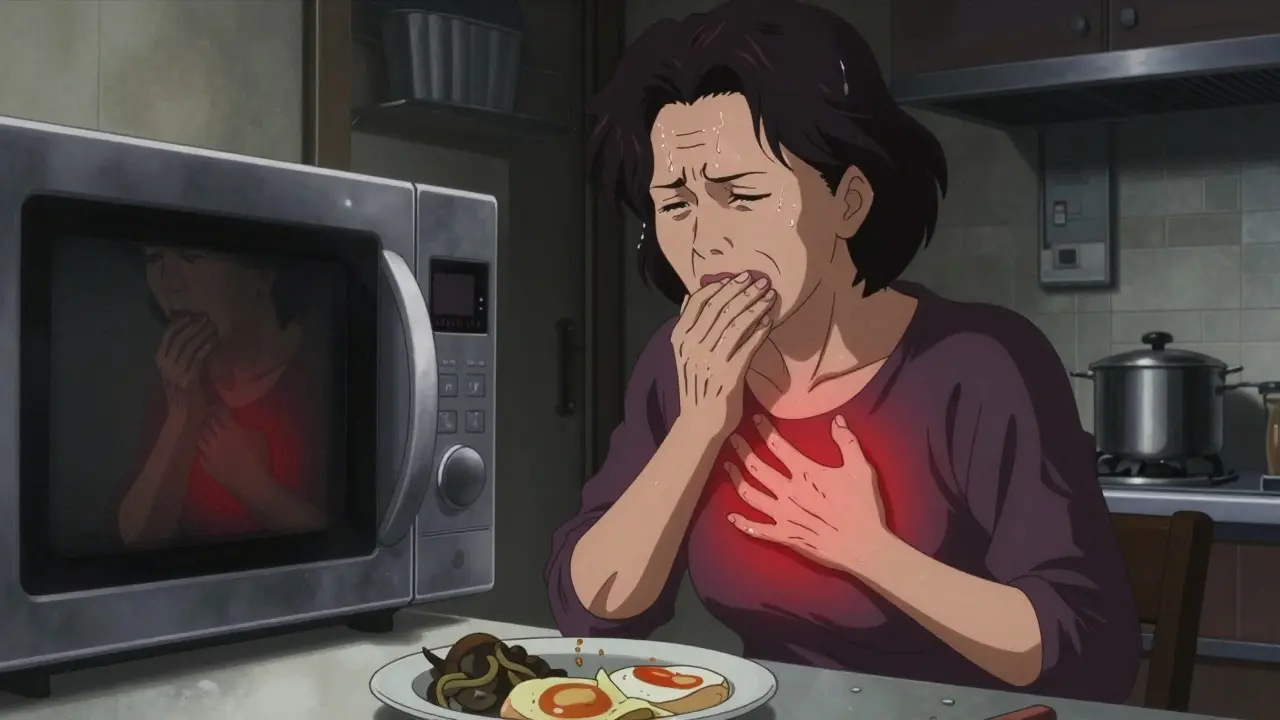
When your heart stops getting the blood it needs, damage begins in seconds. Every minute without treatment kills about 1.5 million heart cells. That’s not a guess-it’s science. And yet, most people wait too long to act. The difference between life and death often comes down to recognizing the warning signs early and calling emergency services immediately. This isn’t about fear. It’s about knowing what to look for, especially when symptoms don’t match what you see on TV.
What Really Happens During a Heart Attack
A heart attack, or myocardial infarction, happens when a blood clot blocks an artery feeding your heart. Without oxygen, heart muscle starts dying. The longer the blockage lasts, the more damage occurs. But here’s the key: if you get help within 90 minutes, you can save most of that tissue. After that, recovery becomes harder, and complications like heart failure or irregular rhythms become much more likely.The goal isn’t to diagnose yourself. It’s to recognize that something’s wrong and get to a hospital fast. Ambulance crews can start treatment before you even arrive. They have defibrillators, oxygen, and medications ready. Driving yourself? You’re delaying care by an average of 90 minutes.
Classic Signs - But Not Everyone Has Them
The most familiar symptom is chest discomfort. It’s not always a sharp pain. It’s often described as:- Pressure or heaviness in the center of your chest
- A squeezing or full feeling
- A burning sensation that doesn’t go away
This discomfort usually lasts more than a few minutes-or it comes and goes. If you feel this and it’s new, unusual, or worsening, don’t brush it off. Even if it fades, it could be a warning sign.
But here’s the truth: chest pain isn’t the only sign. About 35% of people having a heart attack don’t have it at all. And that’s especially true for women, older adults, and people with diabetes.
Other Warning Signs You Can’t Ignore
Symptoms can show up anywhere in your upper body:- Arm, shoulder, or back pain - Often on the left side, but can be on both sides. Some people describe it as a dull ache, not sharp pain.
- Jaw or neck pain - Especially if it comes with no obvious cause. One woman in Melbourne thought she had a bad tooth, but it was her heart.
- Shortness of breath - Even if you’re not exerting yourself. This happens in 40% of cases, sometimes without chest pain at all.
- Cold sweat - Breaking out in sweat for no reason, especially if you’re not hot or anxious.
- Nausea or vomiting - Often mistaken for the flu or food poisoning. Women are nearly twice as likely to have this symptom.
- Lightheadedness or dizziness - Feeling like you might pass out, especially with other symptoms.
- Unusual fatigue - Not just tired. This is the kind where you collapse after climbing one flight of stairs. Women report this 48% of the time.
These aren’t rare. They’re common. And they’re often missed.
Gender Differences Matter - A Lot
Men and women have heart attacks differently. That’s not a myth. It’s backed by data from the American Heart Association.- 90% of men feel chest pain during a heart attack. Only 64% of women do.
- Women are 58% more likely to have shortness of breath as their main symptom.
- Women are 47% more likely to feel nauseous or vomit.
- Back and jaw pain without chest pain? Women are 37% more likely to report this.
One study found women aged 55 and older are twice as likely as men to have symptoms like overwhelming anxiety or upset stomach. These aren’t "just stress." They’re red flags.
And here’s the dangerous part: women’s heart attacks are misdiagnosed 50% more often than men’s. Many are sent home with antacids or anxiety meds. That delay increases their chance of dying within a year by 50%.
Age Changes the Picture Too
Older adults, especially over 75, are more likely to have what’s called a "silent" heart attack. No chest pain. No sweating. Just extreme tiredness, confusion, or trouble breathing.One in three heart attacks in seniors happens without classic symptoms. That’s why caregivers need to watch for sudden changes: a parent who won’t get out of bed, someone who’s unusually confused, or a person who’s suddenly short of breath while sitting still.
Even younger adults aren’t safe. Heart attacks in people aged 25 to 44 have been rising by 2% each year since 2000. Diabetes, obesity, and stress are big contributors. Don’t assume you’re too young to have one.
What to Do When You Suspect a Heart Attack
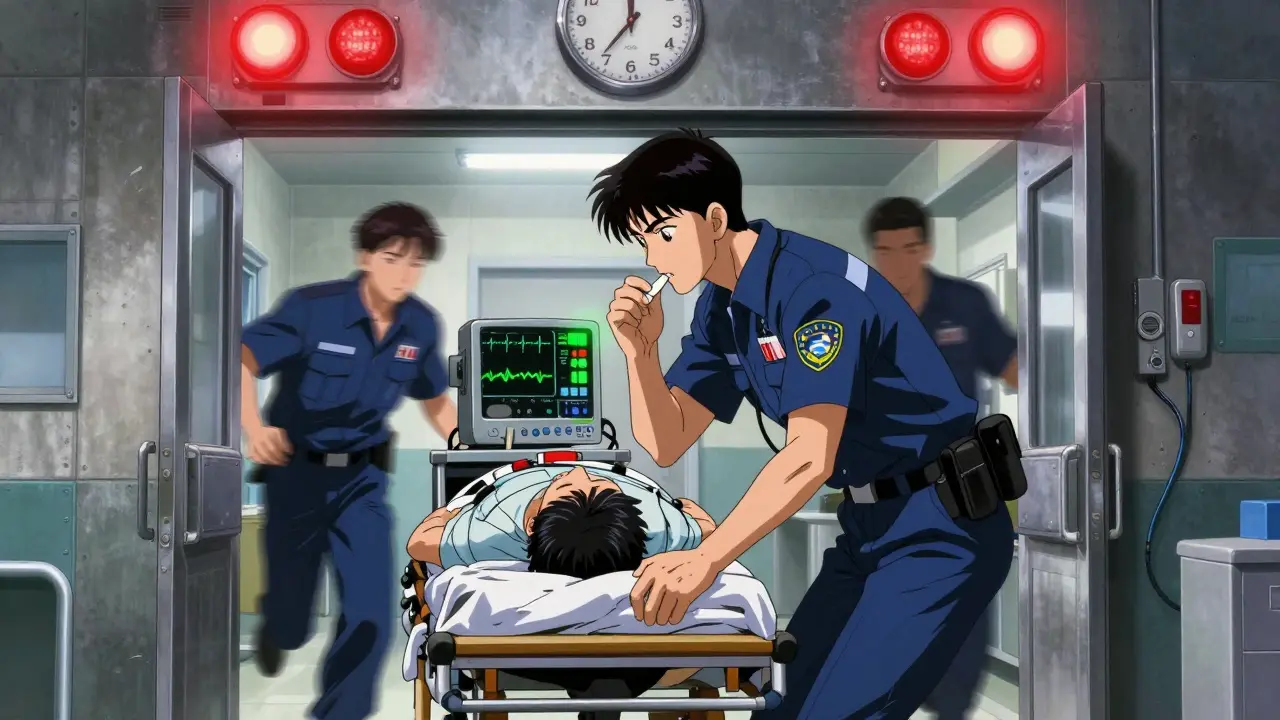
Time is muscle. Every minute counts. Here’s what to do:- Call emergency services immediately. Don’t call a friend. Don’t text. Call 000 (in Australia) or 911 (in the U.S.). Ambulances have ECG machines and paramedics who can start treatment on the way.
- Don’t drive yourself. You might pass out. You might get stuck in traffic. You might delay help.
- Chew an aspirin if you can. If you’re not allergic and your doctor hasn’t told you to avoid it, chew one 300mg tablet. It helps thin the blood and can reduce damage.
- Stay calm and sit down. Don’t lie flat. Sit in a chair, lean forward slightly. It takes pressure off your heart.
- Wait for help. Don’t try to "see if it gets better." If it’s your heart, it won’t.
People who wait more than two hours before calling for help are twice as likely to die. The average delay? Three hours. That’s not normal. That’s deadly.
Why People Wait - And How to Beat It
Why do so many people delay? Three reasons:- Denial. "It’s probably just indigestion." "I’m just tired." "I’ll wait and see."
- Fear of embarrassment. "What if it’s nothing?" One in three people wait because they’re scared of looking foolish.
- Misunderstanding symptoms. Women often think their symptoms are stress. Seniors think fatigue is aging.
But here’s the reality: it’s better to be wrong than dead. If you’re unsure, call. Emergency responders have seen it all. They’d rather evaluate 100 false alarms than miss one real heart attack.
Studies show that people who have CPR training or have watched a heart attack awareness video are 47% faster to act. That’s 47 minutes saved. That’s thousands of heart cells saved.
What You Can Do Now
You don’t need to be a doctor to save a life. Here’s how to prepare:- Learn the signs. Print them out. Save them on your phone. Share them with family.
- Know your risk. High blood pressure, diabetes, smoking, obesity, family history - these all raise your risk.
- Teach your kids. A 16-year-old who knows what to do can save a parent’s life.
- Carry aspirin. If you’re at risk, keep a 300mg tablet in your wallet or purse.
- Know your local emergency number. In Australia, it’s 000. In the U.S., it’s 911. Memorize it.
Heart attacks don’t announce themselves with a siren. They whisper. And if you ignore the whisper, you risk silence forever.
Can you have a heart attack without chest pain?
Yes. About 35% of heart attacks happen without chest pain, especially in women, older adults, and people with diabetes. Symptoms can include shortness of breath, nausea, jaw pain, extreme fatigue, or sudden sweating. Never assume no chest pain means no heart attack.
Are heart attack symptoms different for women?
Yes. While men often feel crushing chest pain, women are more likely to have shortness of breath, nausea, vomiting, back or jaw pain, and extreme fatigue. Women are 58% more likely to have shortness of breath as their main symptom and 47% more likely to have nausea. These differences lead to higher misdiagnosis rates, which is why women should never downplay unusual symptoms.
Should I take aspirin during a heart attack?
If you’re not allergic to aspirin and your doctor hasn’t told you to avoid it, chew one 300mg tablet immediately while waiting for emergency help. Aspirin helps thin the blood and can reduce damage to the heart. Don’t wait to confirm the diagnosis - act fast. But never take aspirin if you’re unsure - call emergency services first.
Is it safe to drive myself to the hospital?
No. Driving yourself delays treatment and puts you at risk of passing out behind the wheel. Ambulances can begin life-saving care on the way - like giving oxygen, monitoring your heart rhythm, and starting medications. They arrive at the hospital 25% faster than private vehicles. Always call emergency services.
Can stress or anxiety cause heart attack symptoms?
Yes, anxiety can mimic heart attack symptoms like chest tightness, shortness of breath, and dizziness. But you can’t tell the difference on your own. If you’re unsure, assume it’s your heart until proven otherwise. Emergency responders are trained to rule out heart attacks quickly. It’s better to be safe than sorry.
How long do heart attack symptoms last?
Symptoms typically last more than a few minutes and may come and go. If discomfort in your chest, arms, jaw, or back lasts longer than 5 minutes, or if it returns after going away, treat it as a heart attack. Don’t wait for it to get worse. Call emergency services immediately.
What if I’m alone and think I’m having a heart attack?
Call emergency services immediately. If you can’t talk, dial 000 or 911 and leave the phone off the hook. If you have a smartwatch or phone with fall detection, activate it. If you’re able, chew an aspirin, sit down, and stay calm. Even if you’re alone, help is only minutes away.
Next Steps: Protect Yourself and Others
Heart attacks aren’t always dramatic. Sometimes they’re quiet. That’s why awareness saves lives. Talk to your family about the signs. Share this information. Keep aspirin handy. Know your local emergency number. And if something feels off - don’t wait. Call.It’s not about being dramatic. It’s about being alive.
Ashley Hutchins
February 8, 2026 AT 12:22Lakisha Sarbah
February 9, 2026 AT 13:48Ariel Edmisten
February 10, 2026 AT 06:40Savannah Edwards
February 11, 2026 AT 02:09Mayank Dobhal
February 12, 2026 AT 15:00Gouris Patnaik
February 13, 2026 AT 08:12AMIT JINDAL
February 13, 2026 AT 15:04Paula Sa
February 14, 2026 AT 12:57