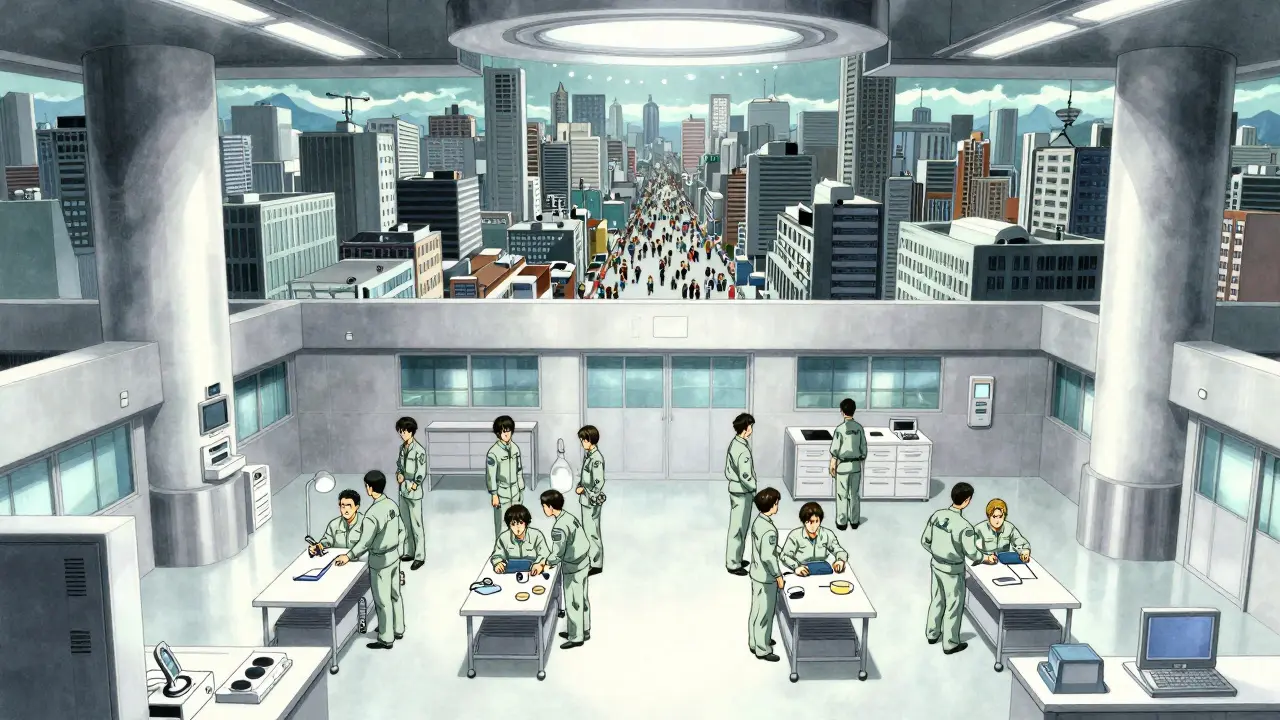
You might think that by the time a medication reaches your local pharmacy, it has been poked, prodded, and tested in every possible scenario. In reality, clinical trials are just the first chapter. Many dangerous post-marketing surveillance discoveries happen only after millions of people-with all their unique health quirks, diets, and other medications-start using the drug in the real world. This is where we find the gaps that a controlled study simply cannot catch.
| Feature | Clinical Trials (Pre-Market) | Real-World Use (Post-Market) |
|---|---|---|
| Patient Count | 1,000 to 5,000 people | Millions of users |
| Diversity | Strictly screened participants | Elderly, children, chronic illnesses |
| Duration | Often 6 to 12 months | Years or decades of use |
| ADR Detection | 50-60% of common reactions | 70-80% of serious reactions |
Why clinical trials miss the red flags
It sounds counterintuitive, but the very thing that makes a clinical trial "scientific"-its control-is what makes it blind to certain interactions. Researchers usually pick a specific group of people and exclude anyone who might complicate the data. This means the elderly, pregnant women, or people with multiple chronic diseases are often left out. If a drug reacts badly with a common blood pressure medication, but the trial participants weren't taking any, the interaction stays hidden.
Timing is another huge factor. Many interactions only show up after a person has been on a drug for years. A trial that lasts six months won't tell you if a medication slowly damages the liver when combined with a specific supplement over five years. As Dr. Robert Temple, a former FDA expert, puts it, the real-world population looks nothing like the clinical trial population.
The three types of interactions that pop up
When safety signals emerge post-market, they usually fall into one of three buckets. Understanding these helps you ask your doctor better questions about your own prescriptions.
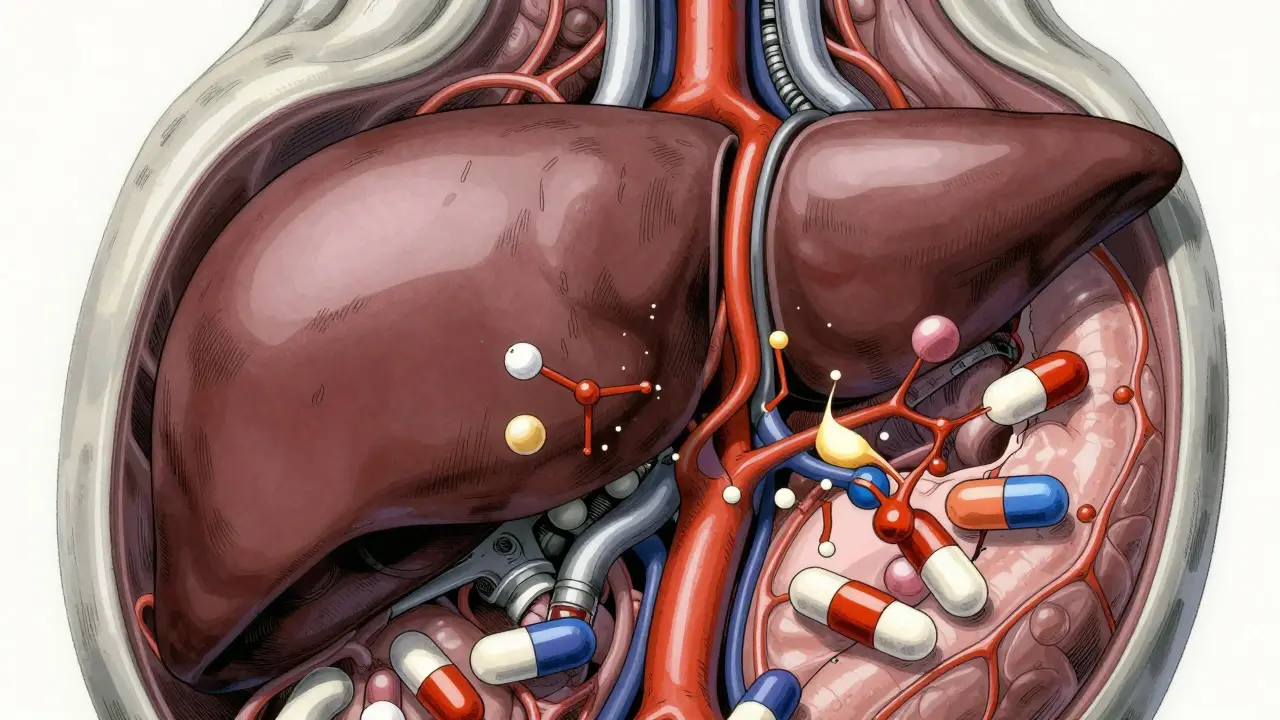
- Drug-Drug Interactions: This is when one medication messes with how another works. For example, if you take Fluconazole (an antifungal) and Simvastatin (for cholesterol), the antifungal blocks the enzymes that break down the statin. This can send statin levels in your blood skyrocketing by 3 to 10 times, potentially leading to rhabdomyolysis-a severe condition where muscle tissue breaks down and damages the kidneys.
- Drug-Food Interactions: What you eat can act like a drug itself. A classic example is grapefruit juice. It blocks the CYP3A4 enzyme, which is responsible for processing many meds. If you're taking Atorvastatin, grapefruit juice can boost the drug's concentration in your system by up to 15-fold, increasing your risk of side effects.
- Drug-Condition Interactions: This happens when a medical condition you already have makes a drug dangerous, or the drug makes your condition worse. This is often only spotted after the drug is used by millions of people with varying comorbidities.
How the system catches these risks
Since trials aren't enough, regulators use Pharmacovigilance-the science of monitoring drug safety after approval. The most famous tool in the US is the FAERS (FDA Adverse Event Reporting System). It's essentially a giant database where doctors and patients report bad reactions.
But reports aren't always enough because people under-report. To fix this, the FDA launched the Sentinel Initiative. Instead of waiting for a doctor to send a report, Sentinel proactively monitors over 300 million patient records across health partners to spot patterns in real-time. In Europe, the EudraVigilance system does something similar, using AI to scan millions of reports to find "signals" of danger faster than a human ever could.
What happens when a risk is actually found?
When a pattern emerges, the regulator doesn't always pull the drug off the shelf. Depending on how dangerous the interaction is, a few things can happen:
- Label Updates: The FDA might add a "Black Box Warning," the most serious type of warning, to the packaging. About 20% of new meds get one of these after they hit the market.
- Patient Alerts: A safety communication is sent to healthcare providers telling them to stop prescribing the drug with certain other medications.
- Market Withdrawal: If the risk is too high, the drug is pulled. A sobering example is the drug benfluorex; it took 30 years and 5 million users before the risk of heart valve disease was finally recognized, leading to its withdrawal in 2009.
The human cost of the "discovery gap"
While these systems work, they aren't perfect. There is often a dangerous lag between the first single case of harm and the official warning. Take the case of Exalgo (hydromorphone hydrochloride). It was discovered that alcohol caused the drug to "dose dump," releasing too much medication at once and causing overdoses. This wasn't caught until the drug had been on the market for 18 months.
For many patients, this means they are the "canary in the coal mine." We see this in online forums like Reddit, where patients share stories of ending up in the ER with kidney damage because their doctor didn't know about a specific interaction. It's a reminder that while technology is improving, the most important safety tool is still a thorough conversation with your pharmacist.
Where we go from here: AI and Genetics
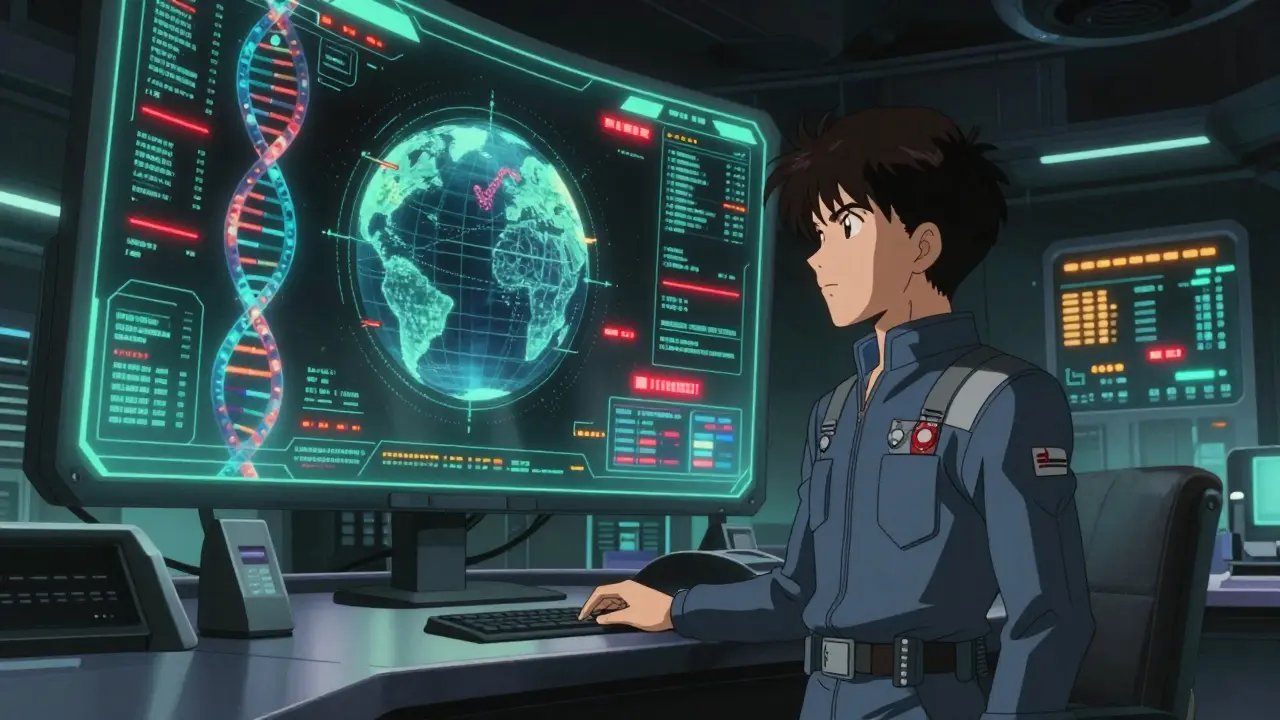
The future of drug safety is moving away from "one size fits all." We are entering the era of Pharmacogenomics. This is the study of how your specific DNA affects your response to drugs. By analyzing genetic markers, doctors will soon be able to tell if you lack the enzyme needed to process a drug before you even take the first pill.
We're also seeing a massive shift toward AI. New platforms from companies like Oracle Health Sciences can now process 10,000 reports a day with over 92% accuracy. This shrinks the time it takes to spot a dangerous interaction from 18 months down to just 45 days in some pilot programs. The goal is to move from reacting to tragedies to predicting them.
Why wasn't the interaction found during the initial trials?
Clinical trials usually have too few participants (typically 1,000 to 5,000) to catch rare interactions. They also exclude people with multiple health conditions or those taking various other medications, which is exactly how most people use drugs in real life.
Can I check for these interactions myself?
Yes, there are several drug interaction checkers available online and through pharmacy apps. However, these should be used as a starting point for a conversation with a licensed pharmacist or doctor, not as a final medical decision.
What is a Black Box Warning?
A black box warning is the strictest warning given by the FDA. It is placed prominently on the drug's label to alert providers and patients to serious or life-threatening risks, including specific dangerous drug interactions.
How do I report a side effect I think is an interaction?
In the US, you can use the FDA MedWatch system to report adverse events. Reporting your experience helps the post-marketing surveillance system spot patterns and protect other patients from similar risks.
Does food always affect how drugs work?
Not always, but many do. Certain foods, like grapefruit juice or leafy greens (with Vitamin K), can inhibit or induce enzymes in the liver, which either raises the level of a drug in your blood to dangerous levels or makes the drug less effective.